

Introduction
Online communities have evolved significantly over the past decade. Early social platforms were designed to connect large, broad audiences, encouraging mass participation and wide visibility. Today, however, there is a noticeable shift toward smaller, more focused, niche communities.
Instead of trying to reach everyone, people are increasingly seeking spaces that reflect their specific interests, identities, goals, or professional needs.
This shift toward niche communities is reshaping how people interact online—and how brands, creators, and organizations build engagement.
1. People Want More Relevant Conversations
Large platforms often expose users to a wide range of content, much of which may not feel personally relevant.
Niche communities solve this by focusing on:
- Specific interests
- Shared goals
- Targeted discussions
- Deep expertise
This leads to more meaningful interactions.
Instead of general conversations, members can engage in focused discussions that provide real value.
2. Information Overload Is Driving Smaller Spaces
With the constant flow of content online, many users feel overwhelmed.
Niche communities help filter noise by:
- Limiting irrelevant content
- Prioritizing quality over quantity
- Creating focused content streams
- Reducing distraction
These environments feel more manageable and intentional.
People are choosing depth over endless scrolling.
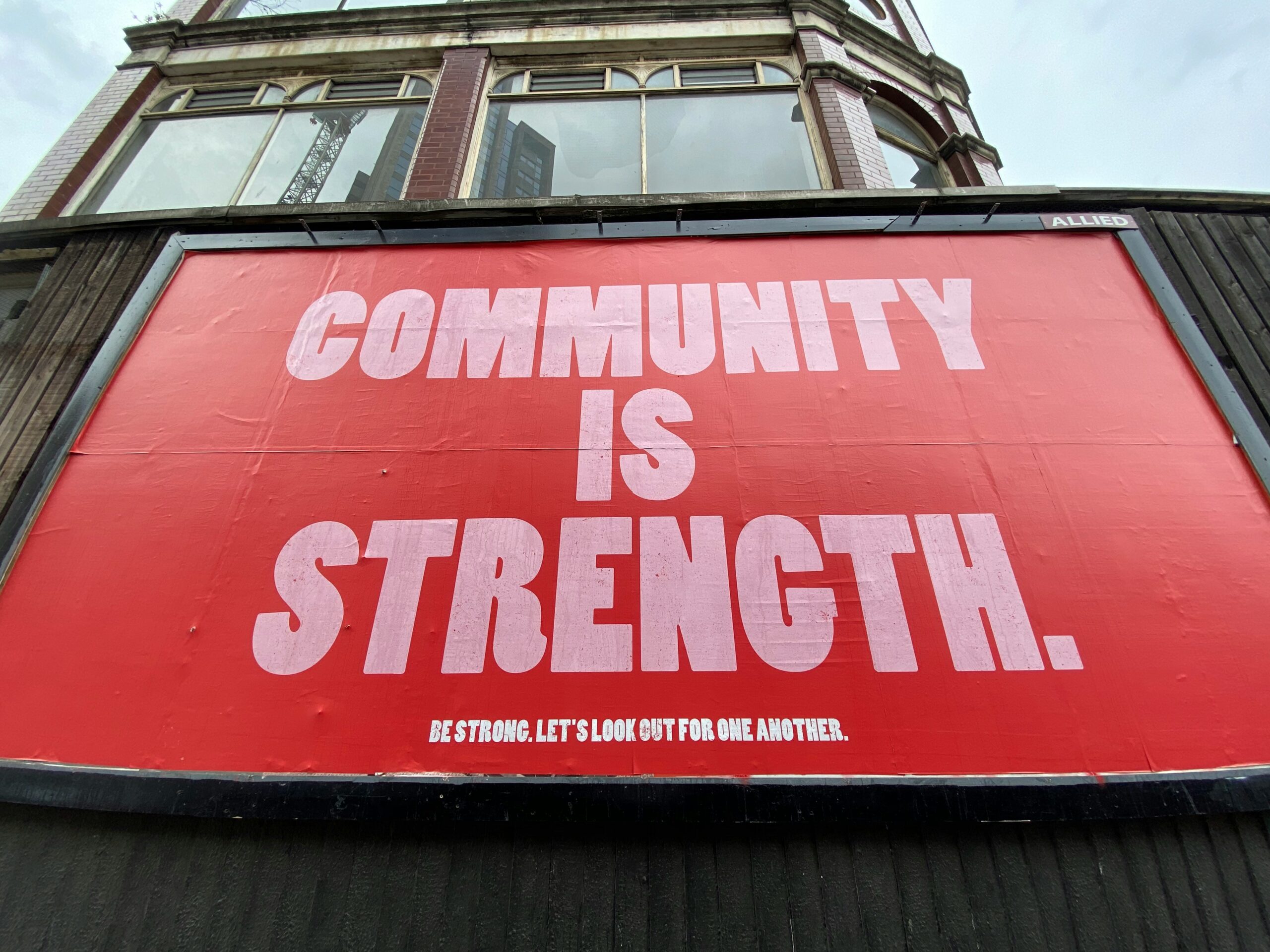
3. Stronger Sense of Belonging
In large public platforms, it is easy to feel invisible.
Niche communities often create:
- Closer relationships
- More active participation
- Stronger identity alignment
- A sense of recognition
Members feel seen, heard, and valued.
This emotional connection is one of the biggest drivers of community growth.
4. Trust and Authenticity Are Higher
Smaller communities often encourage more honest and authentic interactions.
Members are more likely to:
- Share real experiences
- Ask meaningful questions
- Offer genuine feedback
- Build trust over time
In contrast, large public platforms may feel more performative.
Niche spaces tend to feel more human.
5. Creator-Led Communities Are Growing
Many creators are moving away from relying solely on public platforms and are building their own communities.
These communities may include:
- Paid memberships
- Private groups
- Exclusive content hubs
- Learning communities
This allows creators to:
- Build deeper relationships
- Control their audience experience
- Monetize more directly
- Reduce reliance on algorithms
The focus shifts from reach to connection.
6. Algorithms Are Encouraging Fragmentation
Social media algorithms prioritize engagement, often pushing highly specific content to highly specific audiences.
This naturally leads to:
- Micro-communities
- Interest-based groups
- Content silos
- Segmented audiences
Instead of one large shared space, the internet is becoming a network of smaller, specialized communities.
7. Professional and Skill-Based Communities Are Expanding
Many niche communities are built around professional growth or shared expertise.
Examples include:
- Industry-specific groups
- Skill-learning communities
- Career-focused networks
- Entrepreneurial ecosystems
These communities provide:
- Knowledge sharing
- Networking opportunities
- Mentorship
- Collaboration
They often offer more value than general platforms for professional development.

8. Privacy and Control Are Increasingly Important
Users are becoming more conscious of how their data and content are shared.
Niche communities—especially private or invite-only ones—offer:
- Greater control over who participates
- More secure conversations
- Reduced exposure to public scrutiny
This makes them more appealing for sensitive discussions or deeper engagement.
9. Quality of Engagement Matters More Than Size
Brands and creators are realizing that engagement quality often matters more than audience size.
Niche communities tend to have:
- Higher participation rates
- Stronger loyalty
- Better feedback loops
- More meaningful interactions
A smaller, highly engaged audience can be more valuable than a large, passive one.
10. The Future Is Community-Led Growth
As digital spaces continue to evolve, communities are becoming central to growth strategies.
Niche communities enable:
- Direct communication with audiences
- Deeper customer relationships
- Faster feedback and iteration
- Organic word-of-mouth growth
For many brands and creators, building a community is becoming just as important as building an audience.
Conclusion
The shift toward niche online communities reflects a broader change in how people use the internet. Instead of seeking mass visibility, users are prioritizing relevance, connection, trust, and meaningful interaction.
Smaller, focused communities offer a better experience in an increasingly crowded digital world.
As this trend continues, the future of online interaction is likely to be less about scale—and more about depth.
References
- Harvard Business Review. The Future of Online Communities
https://hbr.org - McKinsey & Company. Consumer Behavior and Digital Engagement Trends
https://www.mckinsey.com - HubSpot. Why Niche Communities Are Growing
https://blog.hubspot.com - Forbes. The Rise of Community-Led Growth
https://www.forbes.com - CMX / Community Industry Report. Trends in Online Communities
https://cmxhub.com