
Introduction
Discipline and freedom are often viewed as opposites. Many people associate discipline with restrictions, rules, and self-control, while freedom is commonly linked to choice, flexibility, and independence.
However, in many areas of life, discipline and freedom are closely connected. The habits, routines, and commitments people maintain today often determine the level of freedom they experience in the future.
Whether in personal development, finances, health, education, or business, discipline can create opportunities, reduce limitations, and provide greater control over life’s outcomes. Understanding this relationship helps explain why many successful individuals view discipline not as a constraint, but as a pathway to greater freedom.
1. Understanding Discipline
Discipline is the ability to consistently act according to goals, responsibilities, and values, even when motivation is low.
Discipline often involves:
- Self-control
- Consistency
- Responsibility
- Commitment
- Delayed gratification
Rather than relying solely on emotions or temporary motivation, disciplined individuals focus on long-term objectives.
Discipline provides structure that supports progress and growth.
2. Understanding Freedom
Freedom generally refers to the ability to make choices and live according to personal goals and values.
Freedom may include:
- Financial independence
- Time flexibility
- Personal autonomy
- Career options
- Lifestyle choices
True freedom often requires resources, skills, and opportunities that are developed over time.
Many forms of freedom are built through deliberate effort rather than immediate convenience.
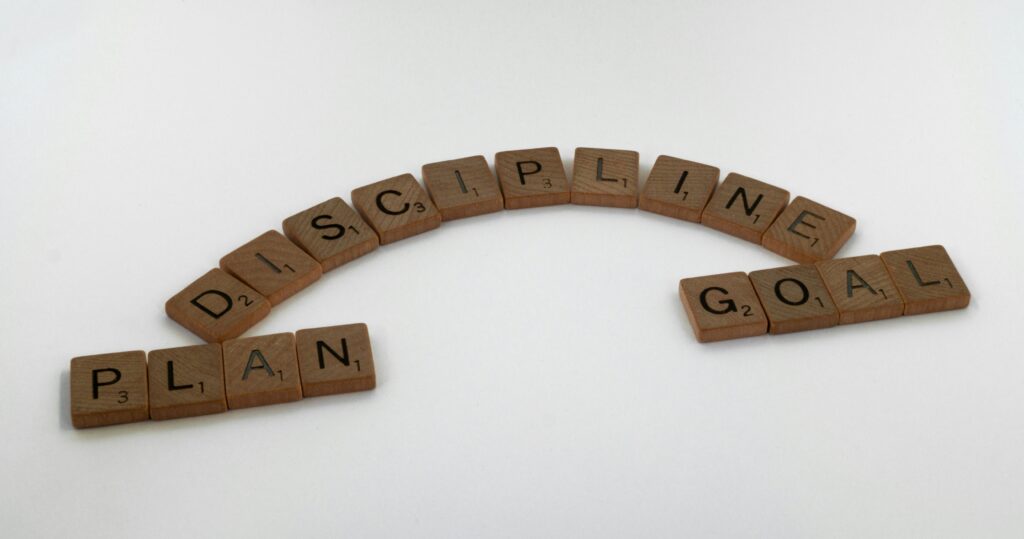
3. Discipline Creates Future Opportunities
Many opportunities result from consistent effort.
For example:
- Studying regularly can create educational opportunities.
- Developing professional skills can expand career options.
- Saving money can increase financial flexibility.
- Maintaining healthy habits can improve physical well-being.
Discipline helps individuals prepare for opportunities before they arise.
The choices made today often influence the freedoms available tomorrow.
4. Financial Freedom Often Requires Financial Discipline
Financial freedom is one of the clearest examples of the relationship between discipline and freedom.
Financial discipline may include:
- Budgeting
- Saving consistently
- Managing debt responsibly
- Investing wisely
- Avoiding unnecessary spending
These habits can increase long-term financial stability and independence.
Without discipline, financial limitations may reduce future choices and opportunities.
5. Health Freedom Depends on Healthy Habits
Physical health affects many aspects of daily life.
Disciplined health practices often involve:
- Regular exercise
- Balanced nutrition
- Adequate sleep
- Stress management
Maintaining these habits can improve energy, mobility, and overall quality of life.
Good health often provides greater freedom to pursue personal and professional goals.
6. Discipline Reduces Dependence on Motivation
Motivation naturally fluctuates.
Some days people feel inspired, while other days they do not.
Discipline allows individuals to continue making progress regardless of temporary emotions.
This consistency creates:
- Reliability
- Momentum
- Predictable results
Freedom often comes from having systems that work even when motivation is absent.
Discipline provides stability in uncertain circumstances.
7. Skills Create Freedom of Choice
The more skills people develop, the more options they often have.
Learning and practice require discipline, but they can lead to:
- Career flexibility
- Increased earning potential
- Greater confidence
- New opportunities
Skill development expands personal and professional possibilities.
Discipline invested in learning often produces greater freedom later.
8. Discipline Strengthens Self-Control
Self-control helps individuals make choices aligned with long-term goals.
Without self-control, people may become more vulnerable to:
- Impulsive decisions
- Unhealthy habits
- Short-term distractions
Discipline strengthens the ability to choose intentionally rather than react automatically.
Greater self-control often leads to greater personal freedom.

9. Freedom Without Discipline Can Create Problems
While freedom is valuable, unlimited freedom without responsibility can create challenges.
Examples may include:
- Financial instability
- Poor health habits
- Missed opportunities
- Lack of direction
Freedom is most sustainable when balanced with accountability and self-management.
Discipline helps ensure that freedom contributes to long-term well-being rather than short-term satisfaction alone.
10. Discipline Builds Confidence
People often become more confident when they consistently follow through on commitments.
Discipline helps individuals:
- Achieve goals
- Develop competence
- Build trust in themselves
- Strengthen resilience
Confidence grows when people repeatedly prove to themselves that they can remain committed despite difficulties.
This confidence can create greater freedom to pursue ambitious goals and challenges.
11. Long-Term Success Requires Both Discipline and Freedom
Discipline and freedom are not competing forces.
Instead, they often work together.
Discipline provides:
- Structure
- Direction
- Consistency
Freedom provides:
- Choice
- Flexibility
- Opportunity
The most sustainable success often comes from balancing both.
Discipline creates the foundation that allows freedom to expand over time.
Conclusion
The connection between discipline and freedom is stronger than it may initially appear. While discipline requires effort, consistency, and self-control, it often creates the conditions necessary for greater independence, opportunity, and flexibility in the future.
Whether in finances, health, education, or personal growth, disciplined actions today can lead to increased freedom tomorrow. Rather than limiting potential, discipline frequently expands it by helping individuals build the skills, resources, and habits needed for long-term success.
In many cases, freedom is not the absence of discipline—it is one of its greatest rewards.
References
- Harvard Business Review — The Role of Discipline in Long-Term Success
Harvard Business Review - Psychology Today — Self-Control, Discipline, and Personal Freedom
Psychology Today - James Clear — Habits, Discipline, and Sustainable Success
James Clear - MindTools — Building Self-Discipline for Personal Development
MindTools - TED — How Discipline Creates Opportunity and Growth
TED