

Introduction
The internet has transformed how people buy, sell, learn, work, and access services. At the center of this transformation are online marketplaces and digital platforms, which connect individuals, businesses, and communities on a global scale.
From e-commerce websites and freelance platforms to ride-sharing services and digital learning marketplaces, these platforms have created new opportunities for economic activity and consumer convenience. They have reduced barriers to entry, expanded market access, and enabled businesses of all sizes to reach customers more efficiently.
As technology continues to evolve, online marketplaces and platforms are playing an increasingly important role in the global economy.
1. Understanding Online Marketplaces and Platforms
Online marketplaces and platforms are digital environments that connect buyers, sellers, service providers, and users.
Examples include:
- E-commerce marketplaces
- Freelance platforms
- Online learning platforms
- Food delivery services
- Accommodation booking platforms
- Ride-sharing applications
Rather than directly producing products or services, many platforms facilitate transactions and interactions between participants.
Their primary value comes from creating connections and reducing friction.
2. Convenience Drives Adoption
One of the biggest reasons for the growth of online platforms is convenience.
Consumers can:
- Shop from anywhere
- Compare products easily
- Access services instantly
- Make secure payments
- Receive home delivery
This convenience saves time and often provides a better user experience than traditional methods.
As consumer expectations evolve, convenience continues to drive platform growth.
3. Global Reach Expands Opportunities
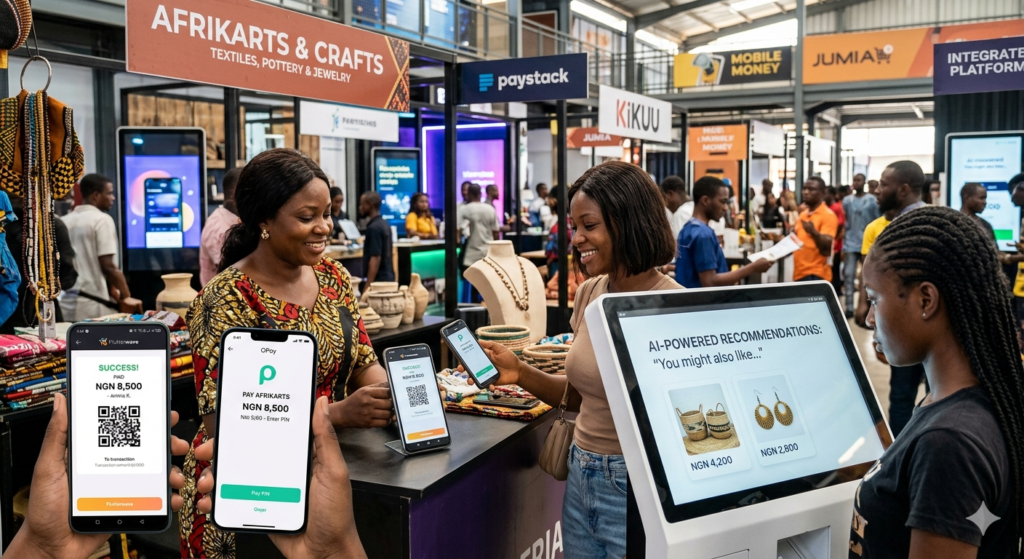
Digital platforms allow businesses and individuals to reach audiences beyond their local markets.
Benefits include:
- Access to international customers
- Increased visibility
- Larger sales opportunities
- Cross-border commerce
Small businesses can now compete in markets that were once accessible only to large organizations.
The internet has significantly expanded market access for entrepreneurs and creators.
4. Lower Barriers to Entry for Businesses
Starting a business traditionally required substantial investment in physical infrastructure.
Online marketplaces reduce these requirements by providing:
- Existing customer traffic
- Payment processing systems
- Marketing tools
- Logistics support
- Business management features
This enables entrepreneurs to launch and scale businesses more efficiently.
Digital platforms have made entrepreneurship more accessible.
5. The Rise of the Platform Economy
The platform economy refers to economic activity facilitated through digital platforms.
This model has created opportunities in areas such as:
- Retail
- Transportation
- Education
- Entertainment
- Professional services
Platforms often benefit from network effects, where increased participation creates greater value for all users.
As more people join a platform, its usefulness and attractiveness often increase.
6. Technology Enables Better User Experiences
Modern platforms use advanced technologies to improve user experiences.
These technologies include:
- Artificial intelligence
- Data analytics
- Recommendation systems
- Mobile applications
- Cloud computing
Technology helps platforms personalize content, improve search functionality, and streamline transactions.
Better experiences encourage user retention and engagement.
7. Trust and Reviews Influence Platform Success
Trust is a critical factor in online transactions.
Many platforms build trust through:
- Customer reviews
- Ratings systems
- Verification processes
- Secure payment methods
- Buyer protection programs
Reviews help consumers make informed decisions and encourage accountability among sellers and service providers.
Trust remains one of the most important drivers of platform growth.
8. Online Marketplaces Support the Gig Economy
Digital platforms have contributed significantly to the growth of the gig economy.
Individuals can offer services such as:
- Freelancing
- Consulting
- Design work
- Writing
- Transportation services
- Delivery services
Platforms connect workers directly with customers and clients.
This flexibility has created new income opportunities for millions of people worldwide.
9. Challenges Facing Online Platforms
Despite their benefits, online marketplaces face several challenges.
Common concerns include:
- Increased competition
- Fraud and security risks
- Data privacy issues
- Platform dependency
- Regulatory requirements
Businesses and consumers must navigate these challenges while benefiting from digital opportunities.
Sustainable growth often requires balancing innovation with responsibility.
10. Mobile Technology Accelerates Growth
Smartphones have made online marketplaces more accessible than ever.
Mobile technology enables users to:
- Shop instantly
- Track deliveries
- Communicate with sellers
- Access services on demand
The rise of mobile commerce has significantly contributed to the expansion of digital platforms.
Many consumers now complete entire transactions through mobile devices.
11. The Future of Online Marketplaces
The future of online platforms will likely be shaped by continued technological innovation.
Emerging trends include:
- AI-powered personalization
- Social commerce
- Voice-assisted shopping
- Augmented reality experiences
- Blockchain-based transactions
As digital ecosystems become more sophisticated, online marketplaces are expected to play an even greater role in everyday life.
The focus will increasingly be on convenience, trust, and personalized experiences.
Conclusion
The growth of online marketplaces and platforms has transformed commerce, work, education, and service delivery. By connecting users efficiently and reducing barriers to participation, these platforms have created new opportunities for businesses and consumers alike.
Technology, convenience, and global connectivity continue to drive their expansion, while trust and user experience remain central to their success. As innovation continues, digital platforms are likely to become even more integrated into daily life and economic activity.
In the digital economy, online marketplaces are more than places to conduct transactions—they are powerful ecosystems that shape how people interact, work, and create value.
References
- World Economic Forum — The Rise of Digital Platforms in the Global Economy
World Economic Forum - McKinsey & Company — The Future of Digital Marketplaces
McKinsey & Company - OECD — Digital Platforms and Economic Growth
OECD - Harvard Business Review — Understanding Platform Business Models
Harvard Business Review - Statista — Trends in E-Commerce and Online Marketplaces
Statista