
Introduction
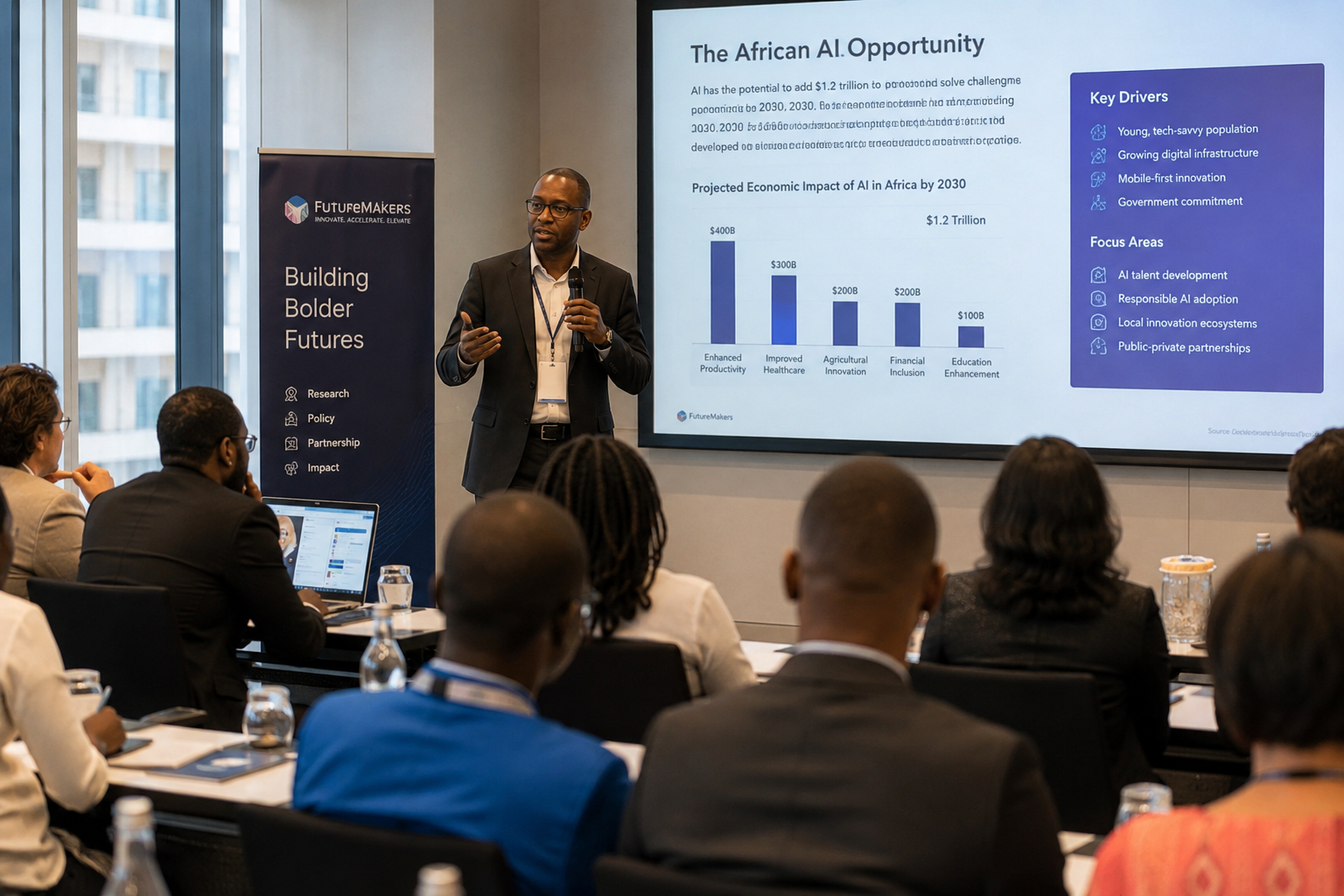
In a world filled with information, opinions, and competing messages, people often look for trusted sources to help them make decisions. Whether choosing a product, learning a new skill, solving a problem, or understanding complex topics, individuals naturally seek guidance from people who demonstrate knowledge and reliability.
Expertise creates confidence because it helps people reduce uncertainty. However, being considered an expert requires more than simply having knowledge. Credibility is built through experience, consistency, transparency, communication, and the ability to provide meaningful value.
In the digital age, where anyone can share information online, building genuine credibility has become more important than ever.
1. What Makes Someone an Expert?
An expert is someone who has developed significant knowledge, skills, or experience in a particular area.
Expertise is often built through:
- Education and training
- Practical experience
- Continuous learning
- Research and experimentation
- Solving real-world problems
Experts are trusted because they can provide deeper insights and more reliable solutions.
Knowledge combined with experience creates authority.
2. Why People Trust Experts
People trust experts because expertise reduces uncertainty.
Experts help people by:
- Explaining complex ideas clearly
- Providing informed recommendations
- Sharing proven strategies
- Offering solutions based on experience
- Helping others avoid costly mistakes
When people believe someone understands a subject deeply, they are more confident following their guidance.
Trust grows when knowledge creates value.

3. Experience Builds Credibility
Experience is one of the strongest foundations of credibility.
People often trust individuals who have:
- Worked in their field for years
- Faced real challenges
- Developed practical solutions
- Achieved measurable results
- Learned from failures and successes
Real-world experience demonstrates that knowledge can be applied effectively.
Experience turns information into expertise.
4. Consistency Strengthens Trust
Credibility is not built through one successful moment. It develops through consistent actions over time.
Consistency includes:
- Regularly sharing valuable insights
- Maintaining professional standards
- Delivering reliable results
- Communicating clearly
- Following through on promises
People trust experts who demonstrate reliability.
Consistency creates a strong reputation.
5. Sharing Knowledge Builds Authority
Experts become more recognized when they share what they know.
Knowledge sharing can happen through:
- Articles and blogs
- Videos
- Podcasts
- Online courses
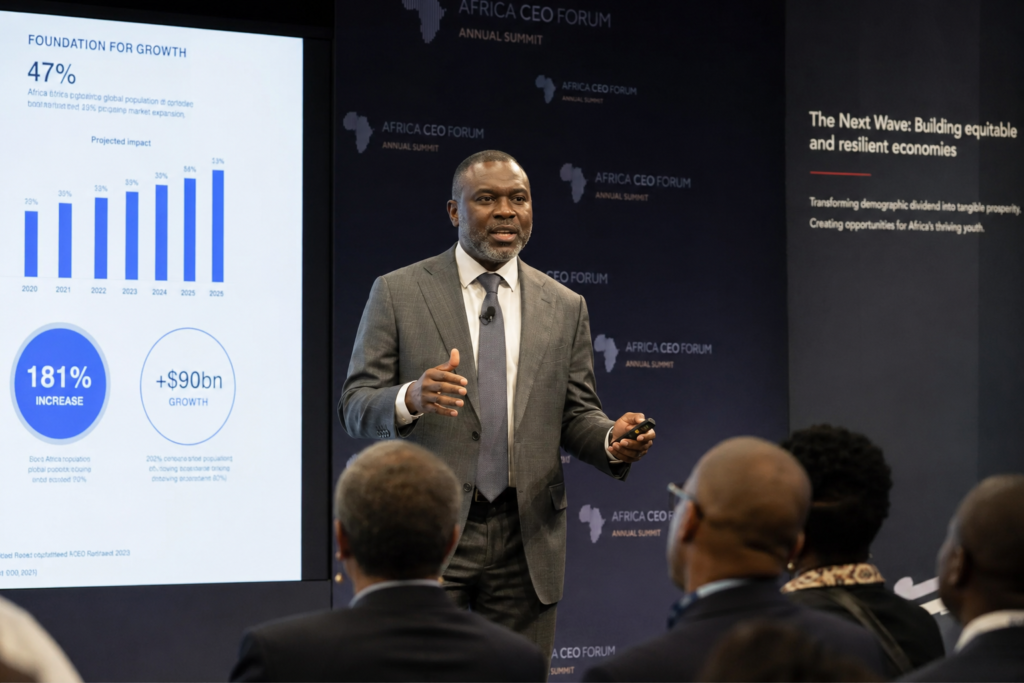
- Public speaking
- Social media discussions
By educating others, experts demonstrate their understanding and create value for their audience.
Teaching strengthens credibility.
6. Transparency Creates Trust
Modern audiences value honesty and openness.
Credible experts:
- Acknowledge what they know and do not know
- Avoid exaggerated claims
- Explain their reasoning
- Share lessons from experiences
- Admit mistakes when necessary
Transparency makes expertise feel more authentic.
Trust grows when communication is honest.
7. Clear Communication Matters
Having knowledge is not enough—experts must communicate effectively.
Strong communication involves:
- Explaining ideas simply
- Understanding audience needs
- Avoiding unnecessary complexity
- Providing practical examples
- Listening to feedback
The ability to make information understandable increases perceived expertise.
Great experts make knowledge accessible.
8. Evidence and Results Strengthen Credibility
People are more likely to trust experts who can demonstrate results.
Credibility can be supported through:
- Case studies
- Research findings
- Customer testimonials
- Professional achievements
- Successful projects
Evidence shows that expertise produces real outcomes.
Results reinforce trust.
9. Digital Platforms Have Changed Expert Visibility
The internet has created new opportunities for people to build expertise publicly.
Digital platforms allow experts to:
- Share knowledge globally
- Build professional communities
- Educate audiences
- Develop personal brands
- Connect with people directly
However, online visibility must be supported by genuine value.
Attention may create awareness, but credibility creates trust.
10. The Role of Personal Branding
Personal branding helps experts communicate their knowledge and values.
A strong personal brand includes:
- A clear area of expertise
- Consistent messaging
- Valuable content
- Professional presentation
- Authentic communication
When people understand what someone represents, trust becomes easier to develop.
A clear identity strengthens recognition.
11. How Organizations Build Expert Credibility
Businesses can also establish credibility by demonstrating expertise.
Organizations can build trust through:
- Publishing industry insights
- Providing educational resources
- Showcasing customer success stories
- Sharing research and knowledge
- Demonstrating transparent practices
Companies that educate their audiences often become trusted authorities in their industries.
Authority supports long-term customer relationships.

12. Maintaining Credibility Over Time
Credibility requires continuous effort.
Experts must continue to:
- Learn and improve
- Adapt to new developments
- Provide accurate information
- Engage with their audience
- Maintain ethical standards
Reputation is built gradually and can be strengthened through ongoing commitment.
Trust requires continuous investment.
Conclusion
People trust experts because expertise provides confidence, clarity, and solutions in an increasingly complex world. However, credibility is not created by knowledge alone—it is built through experience, consistency, transparency, communication, and the ability to deliver genuine value.
In the digital age, anyone can share information, but trusted experts stand out because they demonstrate reliability and help others achieve better outcomes.
Whether building a personal reputation or growing a business brand, credibility remains one of the most powerful assets for creating lasting trust and influence.
References
- Harvard Business Review — Building Credibility and Trust in Leadership
Harvard Business Review - Edelman — Trust Barometer and Global Trust Research
Edelman - LinkedIn — Professional Branding and Thought Leadership Resources
LinkedIn - American Marketing Association — Building Brand Trust and Customer Relationships
American Marketing Association - McKinsey & Company — Building Trust Through Expertise and Business Value
McKinsey & Company