
Introduction
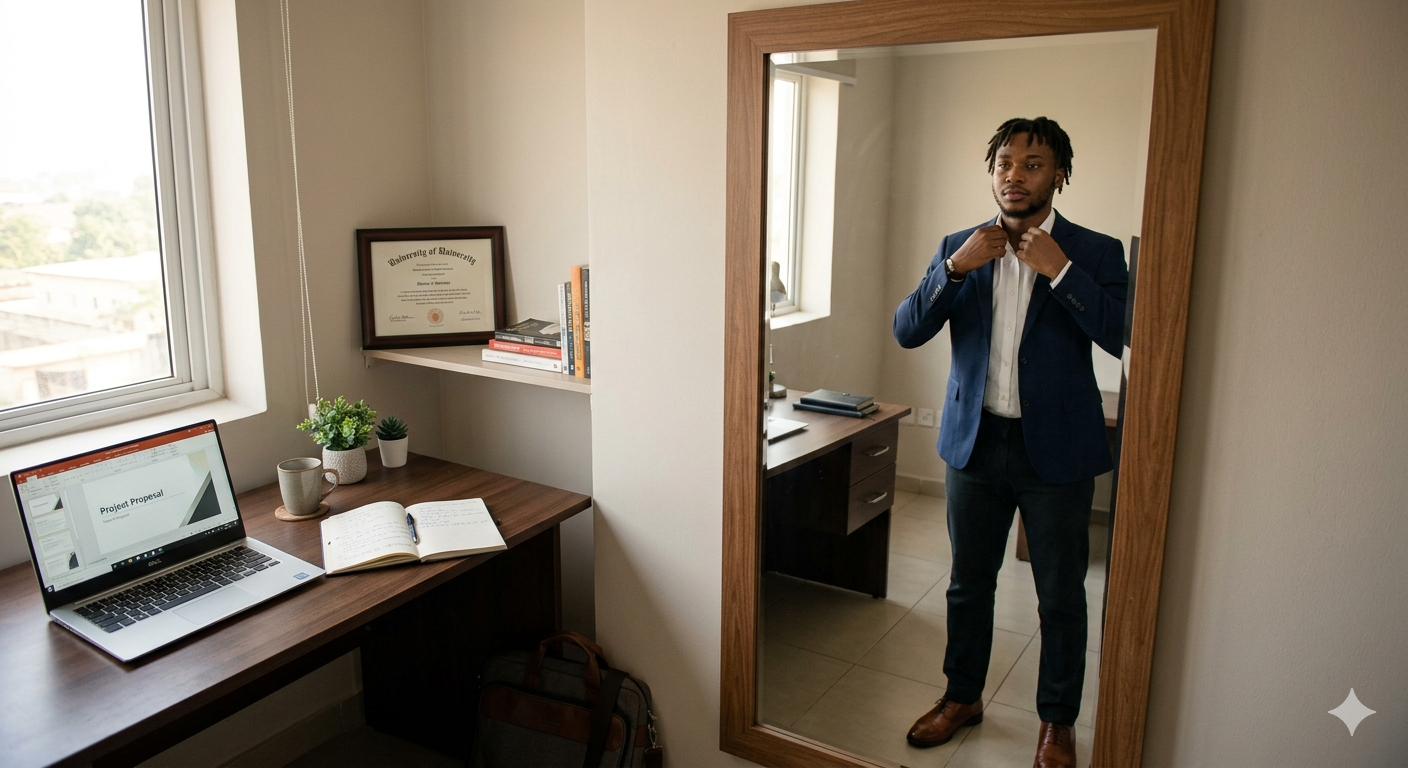
Confidence plays a major role in how people think, communicate, make decisions, and pursue opportunities. It influences academic performance, career growth, relationships, leadership, and personal development.
While confidence is often viewed as a personality trait that some people naturally possess, psychological research shows that confidence is largely developed through experience, mindset, behavior, and repeated learning.
Understanding the science behind confidence helps explain why some people appear self-assured and how others can gradually build stronger self-belief over time.
Confidence is not simply about feeling good. It is closely connected to learning, resilience, preparation, and perception.
1. What Confidence Really Means
Confidence refers to a person’s belief in their ability to handle situations, complete tasks, or face challenges successfully.
It often involves:
- Self-belief
- Emotional resilience
- Trust in personal abilities
- Comfort with uncertainty
- Willingness to take action
Confidence does not mean perfection or the absence of fear.
Confident people still experience doubt and nervousness, but they are more willing to act despite discomfort.
2. The Brain Learns Confidence Through Experience
Confidence develops partly through repeated experiences and learned behavior.
When people successfully complete tasks or overcome challenges, the brain begins to associate effort with positive outcomes.
This process strengthens:
- Self-efficacy
- Motivation
- Problem-solving ability
- Emotional resilience
Repeated success builds stronger belief in personal capability over time.
Experience is one of the strongest foundations of confidence.
3. Small Wins Build Psychological Momentum
Research in behavioral psychology shows that small achievements can significantly improve confidence.
Small wins help people:
- Feel capable
- Build motivation
- Reduce fear
- Increase consistency
As confidence grows gradually, larger goals often become less intimidating.
Progressive improvement strengthens long-term self-belief.
Confidence usually develops step by step rather than instantly.
4. Preparation Reduces Uncertainty
Preparation plays an important role in confidence development.
People often feel more confident when they:
- Practice regularly
- Develop skills
- Study thoroughly
- Gain experience
- Prepare for challenges
Preparation reduces uncertainty and increases perceived control.
Competence and confidence are closely connected.
The more capable people feel, the more confidently they tend to perform.
5. Fear and Confidence Can Exist Together
Many people assume confident individuals never feel fear or anxiety.
In reality, confidence often develops through repeated exposure to uncomfortable situations.
This may include:
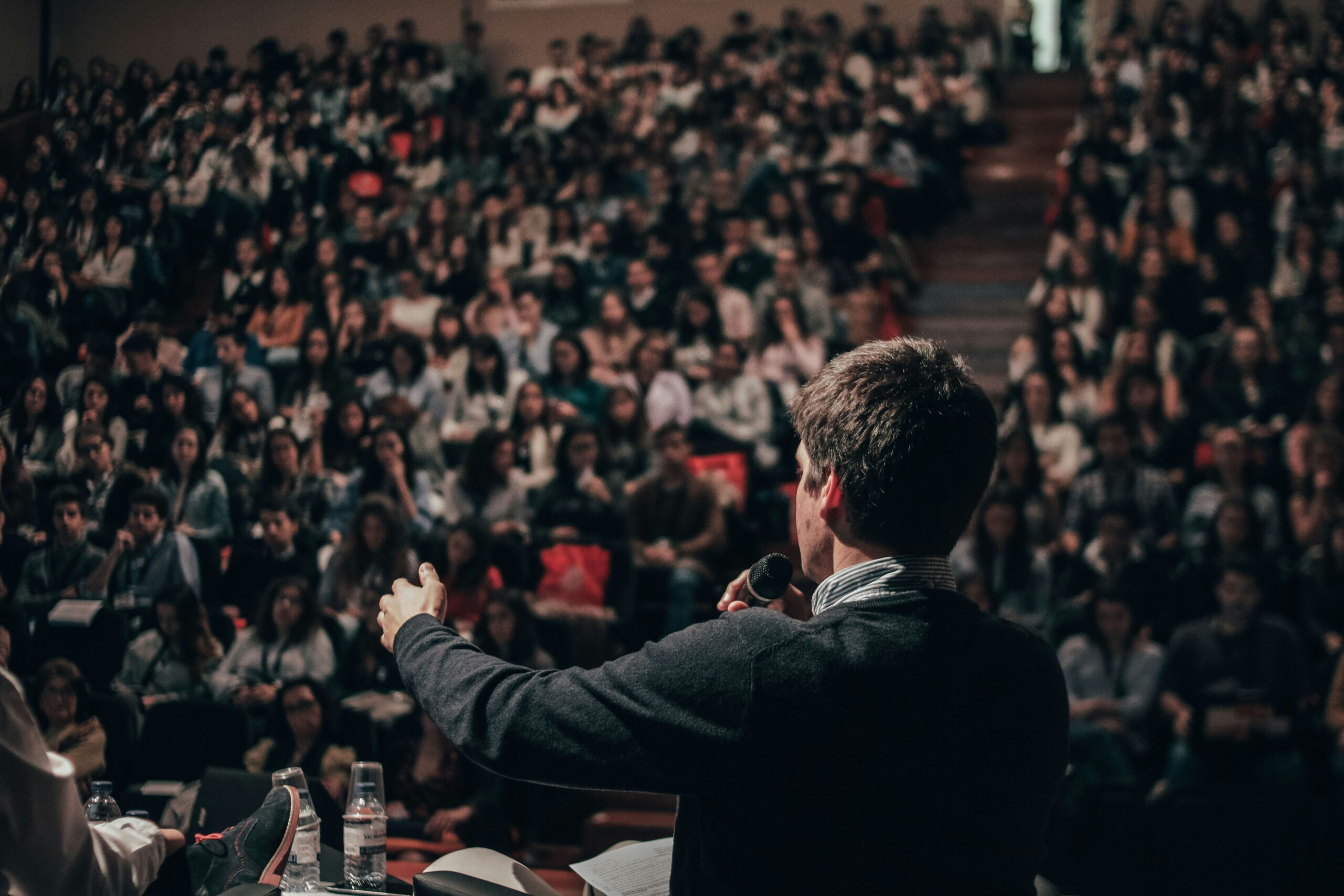
- Public speaking
- Interviews
- Leadership responsibilities
- Competitive environments
- New experiences
Facing challenges repeatedly helps the brain become more familiar with discomfort.
Confidence grows when people learn they can handle difficult situations.
6. Self-Talk Influences Confidence
Internal dialogue has a strong psychological impact on confidence.
Negative self-talk may increase:
- Self-doubt
- Anxiety
- Fear of failure
- Hesitation
Positive and realistic self-talk can improve emotional stability and motivation.
Examples include:
- Focusing on progress
- Recognizing effort
- Replacing extreme thinking with balanced thinking
Thought patterns strongly affect confidence levels over time.
7. Body Language Affects Perception
Research suggests that posture and body language influence both self-perception and social perception.
Confident body language may include:
- Eye contact
- Upright posture
- Calm movement
- Clear communication
Nonverbal behavior can affect how people feel internally and how others respond to them.
Physical behavior and emotional state are often connected.
8. Comparison Can Reduce Confidence
Constant comparison with others often weakens self-confidence.
Social comparison may create feelings of:
- Inadequacy
- Pressure
- Self-criticism
- Discouragement
This is especially common in highly connected digital environments and social media platforms.
Confidence improves when people focus more on personal progress rather than constant comparison.
Healthy self-evaluation is more productive than unrealistic comparison.
9. Confidence Grows Through Action
Many people wait to feel confident before taking action.
However, psychology often shows the opposite process:
- Action builds experience
- Experience builds competence
- Competence builds confidence
Confidence usually increases after repeated effort and participation.
Avoidance often strengthens fear, while action gradually reduces it.
Growth requires consistent engagement with challenges.

10. Resilience Strengthens Confidence
Resilience and confidence are closely connected.
People often become more confident after overcoming setbacks and difficulties.
Challenges teach important skills such as:
- Adaptability
- Emotional regulation
- Persistence
- Problem-solving
Confidence becomes stronger when people realize they can recover from mistakes or failure.
Setbacks often contribute to long-term personal growth.
11. Confidence Is a Continuous Process
Confidence is not permanent or fixed.
It can increase or decrease depending on:
- Experiences
- Environment
- Preparation
- Mental habits
- Stress levels
Building confidence requires ongoing learning, self-awareness, and practice.
Most confident people continue developing their confidence throughout life.
Confidence is better understood as a skill than a permanent trait.
Conclusion
Confidence is shaped by psychology, behavior, experience, and mindset. It develops gradually through preparation, action, learning, and resilience rather than instant transformation.
Scientific research shows that confidence grows when people gain experience, overcome challenges, manage self-talk, and build competence over time.
Rather than waiting to feel fully confident, people often build confidence by consistently taking action and learning from experience.
In many cases, confidence is not the starting point of success—it is the result of growth and repeated effort.
References
- Harvard Business Review — Building Confidence Through Experience and Resilience
Harvard Business Review - Psychology Today — The Psychology of Confidence and Self-Belief
Psychology Today - Verywell Mind — How Confidence Develops Over Time
Verywell Mind - TED — The Science of Confidence and Personal Growth
TED - MindTools — Practical Strategies for Building Self-Confidence
MindTools