
Introduction
Work has changed more in the last few decades than in many previous generations combined. The rise of the digital economy has reshaped how people work, where they work, and the skills required to succeed.
Traditional office-based roles are no longer the only standard. Today, work is increasingly remote, flexible, technology-driven, and globally connected. Automation, artificial intelligence, and digital platforms are also transforming industries and redefining job roles.
Understanding these changes is essential for individuals, businesses, and societies adapting to a rapidly evolving work environment.
1. What the Digital Economy Means
The digital economy refers to economic activity that is based on digital technologies.
It includes:
- Online platforms
- Cloud computing
- E-commerce
- Digital services
- Remote work systems
- Artificial intelligence tools
In the digital economy, value is created through data, connectivity, and technology-driven processes.
Work is no longer limited by physical location or traditional office structures.
2. The Rise of Remote and Hybrid Work
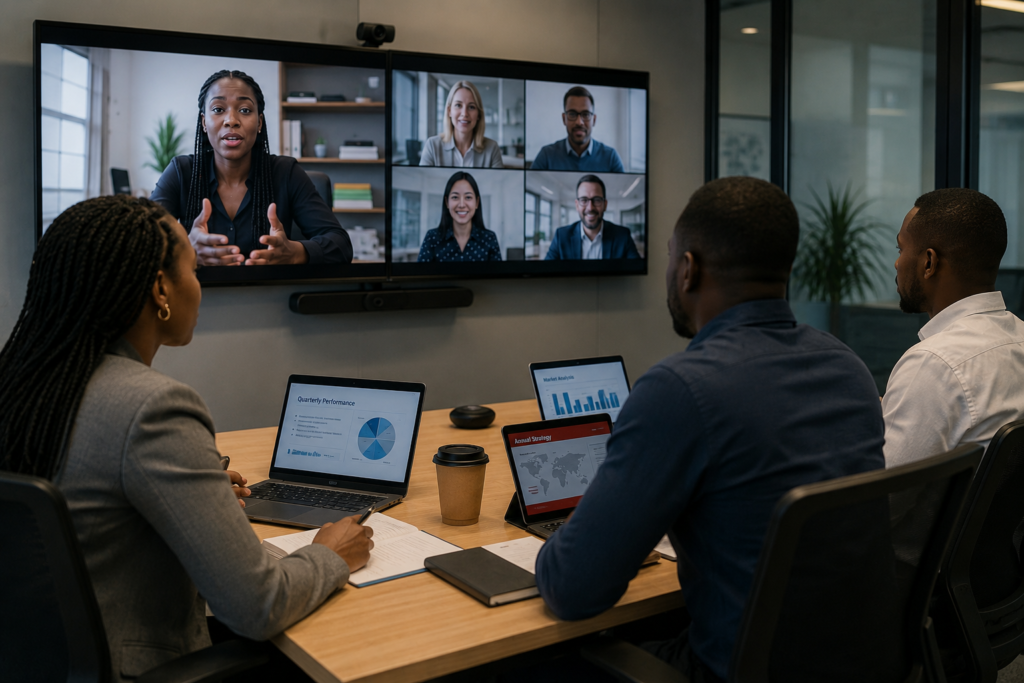
One of the biggest changes in modern work is the shift toward remote and hybrid models.
Employees now often work:
- From home
- From co-working spaces
- Across different countries
- In flexible schedules
This shift has been supported by tools such as video conferencing, collaboration platforms, and cloud storage systems.
Remote work has increased flexibility but also requires stronger self-management and communication skills.
3. Automation Is Changing Job Roles
Automation and artificial intelligence are transforming how tasks are performed.
Many repetitive tasks are now handled by:
- Software systems
- Machines
- AI-powered tools
This does not necessarily eliminate work, but it changes its nature.
Jobs are shifting toward:
- Problem-solving
- Creativity
- Critical thinking
- Human-centered skills
Workers are increasingly required to adapt and learn new technologies.
4. Digital Skills Are Now Essential
In the digital economy, technical and digital skills are becoming essential across industries.
Important skills include:
- Data literacy
- Digital communication
- Basic coding knowledge
- Software proficiency
- Online collaboration tools
Even non-technical roles often require digital competency.
Continuous learning has become a key requirement for career success.
5. The Gig Economy and Freelancing Growth
The gig economy has expanded significantly due to digital platforms.
People now work as:
- Freelancers
- Independent contractors
- Gig workers
- Content creators
Platforms connect workers directly with clients globally.
This creates more flexibility but also introduces income variability and job uncertainty.
Many workers now build multiple income streams instead of relying on a single employer.
6. Globalization of Work Opportunities
Digital tools have removed many geographic barriers to employment.
Individuals can now:
- Work for international companies remotely
- Collaborate across time zones
- Sell services globally
- Access worldwide job markets
This global connectivity increases opportunities but also increases competition.
Talent is now evaluated on skills rather than location.
7. The Shift Toward Skills Over Degrees
While education remains important, employers increasingly value skills and experience.
Many organizations focus on:
- Practical ability
- Portfolio of work
- Problem-solving skills
- Adaptability
Online courses, certifications, and self-learning have become widely accepted pathways to career development.
Skills-based hiring reflects the changing needs of modern industries.
8. Technology Is Reshaping Communication at Work
Communication in the workplace has become more digital and instant.
Common tools include:
- Messaging apps
- Video calls
- Project management platforms
- Email and cloud collaboration systems
While communication is faster and more efficient, it can also create challenges such as information overload and reduced face-to-face interaction.
Clear communication skills are more important than ever.
9. Continuous Learning Is Now Required
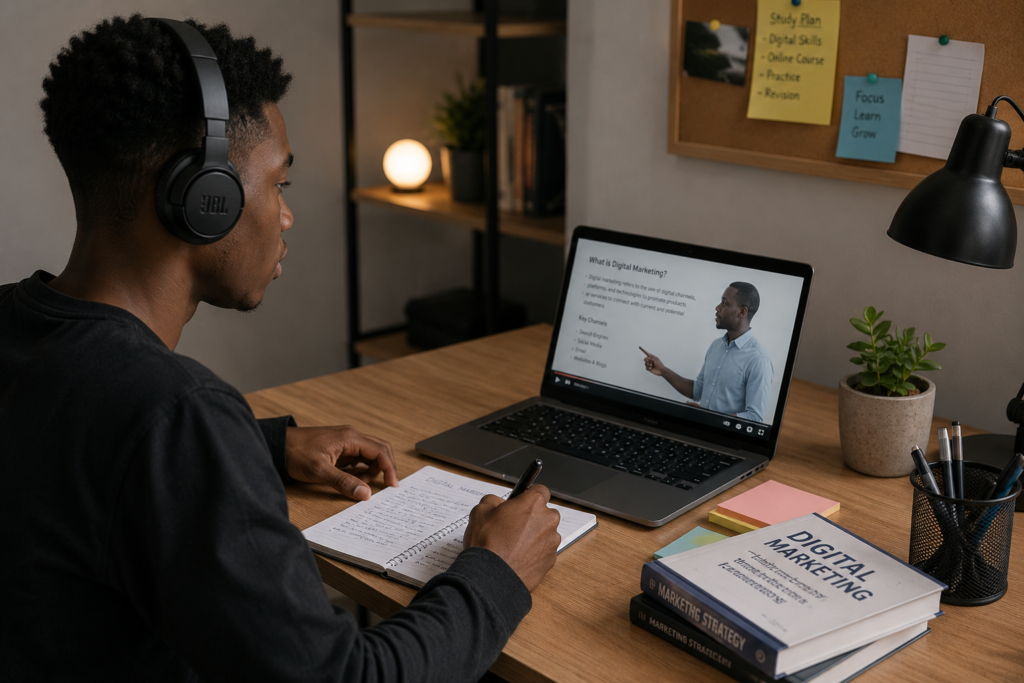
Because technology evolves rapidly, skills can become outdated quickly.
Workers must now:
- Learn continuously
- Adapt to new tools
- Upgrade their knowledge regularly
- Stay updated with industry trends
Lifelong learning is no longer optional—it is essential.
Adaptability has become one of the most valuable career skills.
10. Work-Life Boundaries Are Changing
Digital work has blurred the boundaries between personal life and professional responsibilities.
People may:
- Work flexible hours
- Respond to messages outside office time
- Work across time zones
While this flexibility can improve freedom, it can also lead to burnout if not managed properly.
Balancing productivity and rest has become an important challenge.
11. The Future of Work
The future of work will likely continue evolving with technology.
Key trends include:
- Increased automation
- Greater use of artificial intelligence
- More remote-first companies
- Expansion of digital entrepreneurship
- Greater emphasis on human creativity and emotional intelligence
Jobs will continue to change, but the demand for adaptable, skilled, and innovative individuals will grow.
Conclusion
The digital economy is fundamentally changing the nature of work. Technology has made work more flexible, global, and efficient while also introducing new challenges such as automation, skill gaps, and work-life balance issues.
Success in this new environment depends on adaptability, continuous learning, and digital skills. As work continues to evolve, individuals who embrace change and develop relevant capabilities will be better positioned to thrive.
The future of work is not just about technology—it is about how people learn, adapt, and create value in an increasingly digital world.
References
- World Economic Forum — The Future of Jobs Report
World Economic Forum - McKinsey & Company — The Future of Work in the Digital Age
McKinsey & Company - International Labour Organization — Digital Transformation and Employment
International Labour Organization - Harvard Business Review — How Technology Is Changing Work
Harvard Business Review - OECD — The Impact of Digita