

Introduction
Fear of failure is one of the most common psychological challenges people experience. It can affect education, careers, relationships, creativity, business decisions, and personal growth.
Many people avoid opportunities, delay goals, or limit themselves because they are afraid of making mistakes or being judged negatively. While failure is a natural part of learning and progress, the fear surrounding it can become a major barrier to confidence and action.
Understanding why people fear failure—and learning how to manage that fear—can help individuals develop resilience, improve self-confidence, and pursue growth more effectively.
1. What Fear of Failure Means
Fear of failure is the anxiety or emotional discomfort associated with the possibility of not succeeding.
This fear may involve concerns about:
- Embarrassment
- Rejection
- Criticism
- Financial loss
- Disappointment
- Losing confidence
- Negative judgment from others
Fear of failure often becomes stronger when people connect their self-worth to success or achievement.
The emotional impact can affect decision-making and behavior.

2. Fear of Judgment From Others
One major reason people fear failure is concern about how others may react.
Many individuals worry about:
- Public embarrassment
- Criticism
- Social comparison
- Disappointing family or peers
Social pressure can make failure feel more personal and emotionally difficult.
The fear of being judged sometimes becomes stronger than the fear of failure itself.
3. Perfectionism Increases Fear
Perfectionism often contributes to fear of failure.
People with perfectionist tendencies may believe:
- Mistakes are unacceptable
- Success must always be immediate
- Anything less than perfect is failure
This mindset creates unrealistic expectations and increases stress.
Perfectionism can prevent people from taking risks, trying new things, or learning through experience.
4. Past Experiences Shape Fear
Negative past experiences can strongly influence how people view failure.
Experiences such as:
- Harsh criticism
- Academic pressure
- Public mistakes
- Professional setbacks
- Personal disappointment
may increase anxiety around future challenges.
People often develop fear-based patterns when failure is associated with shame or emotional pain.
5. Fear of Failure Can Limit Growth
Avoiding failure often means avoiding growth opportunities.
Fear may lead people to:
- Delay action
- Avoid challenges
- Stay in comfort zones
- Give up too early
- Miss valuable experiences
While avoiding risk may feel safer temporarily, it can reduce long-term development and confidence.
Growth usually requires experimentation and learning from mistakes.

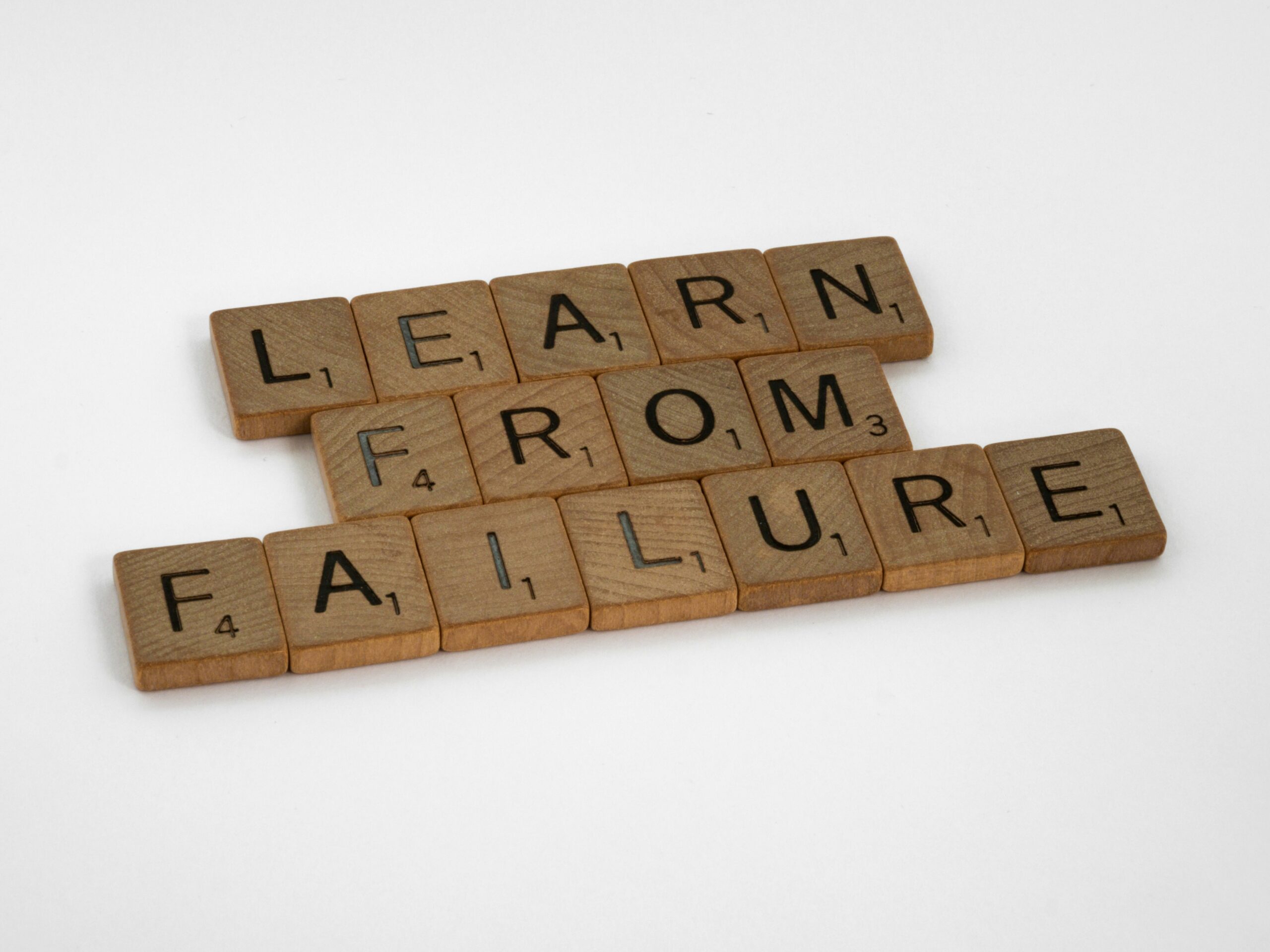
6. Failure Is Part of Learning
Failure is a normal part of progress and skill development.
Most successful people experience setbacks before achieving success.
Failure often provides:
- Feedback
- Experience
- Problem-solving skills
- Greater resilience
- Improved decision-making
Learning from mistakes helps individuals adapt and improve over time.
Progress rarely happens without challenges.
7. Reframing Failure Helps Reduce Fear
Changing how failure is viewed can reduce emotional pressure.
Instead of viewing failure as permanent defeat, people can view it as:
- A learning experience
- Temporary feedback
- Part of improvement
- A step toward growth
Mindset plays a major role in emotional resilience.
A healthier perspective on failure often improves confidence and motivation.
8. Taking Small Risks Builds Confidence
Confidence often grows through repeated action.
Starting with smaller challenges can help people:
- Build resilience gradually
- Reduce fear over time
- Develop problem-solving abilities
- Increase self-trust
Small wins create momentum and make larger goals feel more manageable.
Progress usually develops step by step.
9. Self-Compassion Matters
People often respond to personal failure with excessive self-criticism.
Self-compassion involves:
- Accepting imperfection
- Recognizing that mistakes are normal
- Avoiding harsh self-judgment
- Practicing patience during setbacks
Balanced self-reflection is healthier than constant self-criticism.
Emotional resilience improves when people treat themselves with understanding rather than shame.
10. Focus on Progress Rather Than Perfection
Progress-based thinking encourages continuous improvement.
Instead of expecting perfect outcomes immediately, people can focus on:
- Learning consistently
- Improving gradually
- Building experience
- Developing skills over time
Long-term success often depends more on persistence than perfection.
Consistent effort usually produces stronger results than fear-driven avoidance.
11. Resilience Is Developed Through Experience
Resilience is not built through avoiding difficulty.
It develops through:
- Facing challenges
- Recovering from setbacks
- Adapting to change
- Continuing despite obstacles
Each difficult experience can strengthen emotional adaptability and confidence.
Overcoming fear often requires action, patience, and repeated effort.
Conclusion
Fear of failure is a natural human experience, but it can become limiting when it prevents growth, learning, and opportunity. Concerns about judgment, perfectionism, past experiences, and uncertainty often contribute to this fear.
However, failure is also an important part of progress. Learning to view setbacks as opportunities for growth can help people build resilience, confidence, and emotional strength.
In many cases, success is not defined by avoiding failure, but by continuing to learn and improve despite it.
References
- Harvard Business Review — Understanding Fear of Failure and Resilience
Harvard Business Review - Psychology Today — The Psychology of Fear and Personal Growth
Psychology Today - MindTools — Building Confidence and Overcoming Fear of Failure
MindTools - Verywell Mind — How Fear of Failure Affects Mental Performance
Verywell Mind - TED — Learning From Failure and Building Resilience
TED