

Introduction
The way people pay for goods and services has changed dramatically over the past decade. While cash remains important in many parts of the world, digital payment methods such as mobile wallets, contactless cards, online banking, and QR code payments have become increasingly common.
A cashless payment system allows consumers and businesses to complete transactions electronically without using physical cash. Advances in financial technology (FinTech), widespread smartphone adoption, and growing internet access have accelerated the shift toward digital payments.
As technology continues to evolve, cashless payments are expected to become even more secure, convenient, and accessible, transforming how individuals, businesses, and economies operate.
1. What Are Cashless Payments?
Cashless payments are financial transactions completed without exchanging physical currency.
Common cashless payment methods include:
- Debit and credit cards
- Mobile wallets
- Bank transfers
- QR code payments
- Contactless payments
- Online payment gateways
- Digital banking applications
These methods allow people to make purchases quickly using digital technologies.
Electronic payments are becoming a standard part of everyday life.
2. Convenience Is Driving Adoption
One of the biggest reasons for the growth of cashless payments is convenience.
Digital payment systems allow users to:
- Pay instantly
- Shop online easily
- Transfer money quickly
- Avoid carrying cash
- Access payment records electronically
Fast and convenient transactions improve the overall customer experience.
Convenience encourages wider adoption.
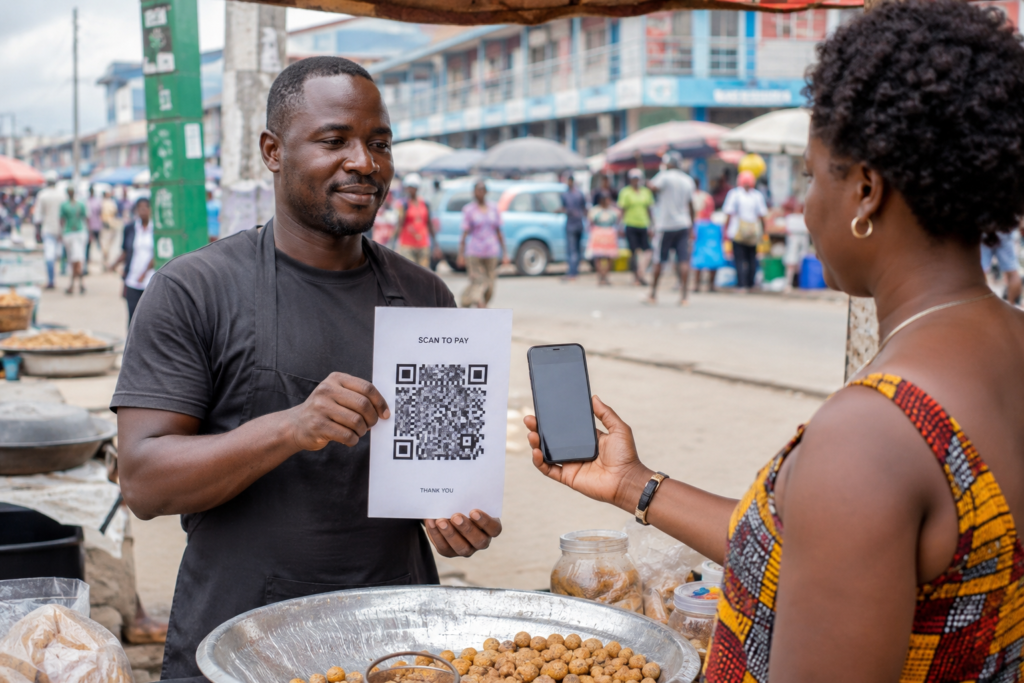
3. Mobile Wallets Are Becoming More Popular
Smartphones have transformed the way people make payments.
Mobile wallets enable users to:
- Store payment cards digitally
- Make contactless purchases
- Send money to others
- Pay utility bills
- Complete online transactions
As smartphone usage increases, mobile payment adoption is expected to continue growing.
Digital wallets simplify everyday transactions.
4. Businesses Benefit from Cashless Payments
Companies are increasingly adopting digital payment systems because they offer several advantages.
Benefits include:
- Faster transactions
- Reduced cash handling
- Improved financial record-keeping
- Better customer convenience
- Increased operational efficiency
Digital payment systems help businesses streamline financial operations.
Efficiency supports business growth.
5. Improved Financial Inclusion
Cashless payment technologies are expanding access to financial services.
Digital payment solutions help people:
- Open digital accounts
- Receive payments securely
- Access online financial services
- Participate in the digital economy
For individuals without easy access to traditional banking services, mobile payment technologies can provide greater financial opportunities.
Technology supports broader financial participation.
6. Enhanced Security Features
Modern cashless payment systems include advanced security technologies.
These may include:
- Encryption
- Multi-factor authentication
- Biometric verification
- Tokenization
- Fraud detection powered by artificial intelligence
Although no payment system is completely risk-free, these technologies help reduce fraud and protect sensitive financial information.
Security builds consumer confidence.
7. Artificial Intelligence Is Improving Payment Systems
Artificial intelligence is making digital payments smarter and more secure.
AI can help by:
- Detecting fraudulent transactions
- Identifying unusual payment patterns
- Automating customer support
- Improving payment recommendations
- Enhancing risk management
AI enables financial institutions to respond more quickly to potential security threats.
Technology continues to strengthen digital payment systems.
8. Challenges of a Cashless Economy
Despite its advantages, cashless payments also present challenges.
These include:
- Cybersecurity threats
- Internet connectivity limitations
- Digital fraud
- Privacy concerns
- Limited access to digital devices
- Dependence on technology
Addressing these challenges is essential for building secure and inclusive payment systems.
Trust remains critical for widespread adoption.
9. The Role of Governments and Financial Institutions
Governments and financial institutions play a key role in supporting cashless payment systems.
Their responsibilities include:
- Developing secure regulations
- Protecting consumer rights
- Promoting financial inclusion
- Strengthening cybersecurity
- Supporting digital payment infrastructure
Collaboration between the public and private sectors helps build reliable payment ecosystems.
Strong governance supports innovation.
10. Emerging Trends in Cashless Payments
The future of digital payments is being shaped by new technologies.
Emerging trends include:
- Biometric authentication
- Artificial intelligence-driven fraud prevention
- Digital currencies
- Embedded payments
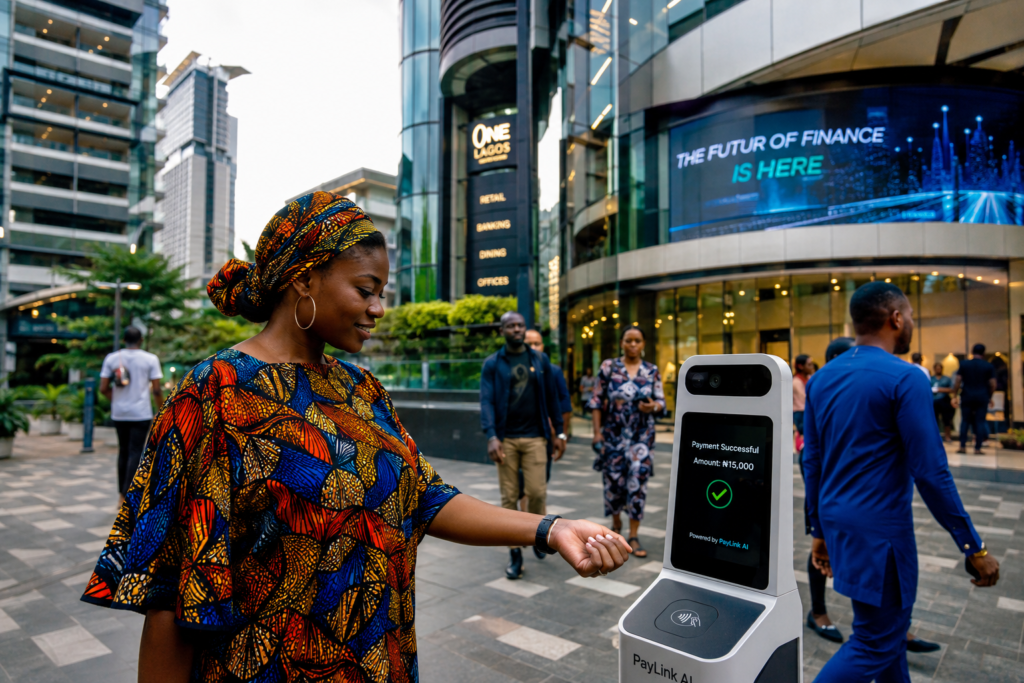
- Wearable payment devices
- Faster real-time payment networks
These innovations aim to make transactions faster, safer, and more seamless.
Technology continues to redefine how payments are made.
11. Preparing for a Cashless Future
Businesses and consumers can prepare for the future of digital payments by:
- Learning about digital payment options
- Practicing safe online payment habits
- Using strong account security
- Staying informed about financial technology
- Choosing trusted payment providers
Digital literacy will become increasingly important as payment technologies continue to evolve.
Preparation supports confidence in digital finance.
Conclusion
Cashless payments are transforming the global economy by making financial transactions faster, more convenient, and increasingly secure. Driven by advances in mobile technology, artificial intelligence, and digital banking, electronic payment systems are changing how consumers and businesses exchange value.
While challenges such as cybersecurity, privacy, and digital accessibility must continue to be addressed, the long-term trend toward cashless transactions is expected to continue. Businesses, financial institutions, and governments all have important roles to play in creating secure and inclusive payment ecosystems.
Ultimately, the future of cashless payments is not simply about replacing physical cash—it is about creating smarter, more efficient, and more accessible financial experiences for people around the world.

References
- World Bank — Digital Payments and Financial Inclusion Resources
World Bank - Bank for International Settlements — Research on Digital Payments and Financial Systems
Bank for International Settlements - International Monetary Fund — Digital Finance and Payment System Insights
International Monetary Fund - Visa — Digital Payment Trends and Innovation
Visa - Mastercard — Future of Digital Payments and Payment Technology
Mastercard