
Introduction
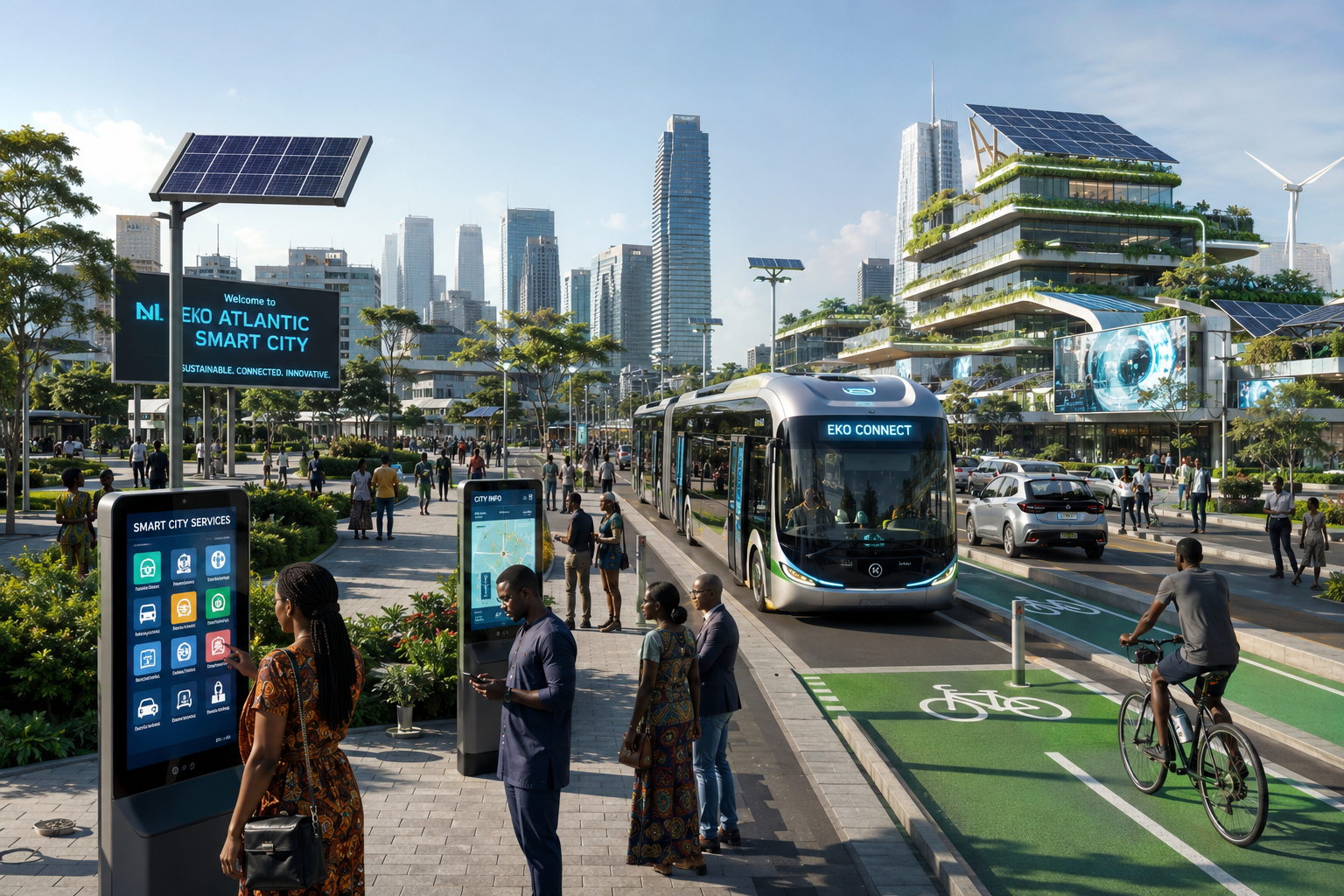
As urban populations continue to grow, cities around the world are facing increasing pressure to improve transportation, energy management, public safety, healthcare, and environmental sustainability. To address these challenges, governments and urban planners are embracing smart city technologies that use digital innovation, artificial intelligence (AI), the Internet of Things (IoT), and data analytics to make cities more efficient, sustainable, and livable.
A smart city integrates technology into public infrastructure and services to improve the quality of life for residents while optimizing the use of resources. From intelligent traffic systems to connected public utilities, smart cities represent the future of urban development.
Understanding the growth of smart cities provides valuable insight into how technology will shape communities, economies, and everyday life in the years ahead.
1. What Is a Smart City?
A smart city uses digital technologies to collect, analyze, and use data to improve city operations and public services.
These technologies help manage areas such as:
- Transportation
- Energy distribution
- Water management
- Waste collection
- Public safety
- Healthcare
- Environmental monitoring
By connecting infrastructure through intelligent systems, cities can respond more effectively to the needs of residents.
Technology becomes a tool for improving urban living.

2. Artificial Intelligence Is Driving Smarter Decisions
Artificial intelligence plays a central role in modern smart cities.
AI can help city authorities:
- Predict traffic congestion
- Optimize public transportation
- Monitor energy consumption
- Improve emergency response
- Analyze environmental data
AI-powered systems process large amounts of information quickly, enabling faster and more informed decision-making.
Data-driven governance improves efficiency.
3. The Internet of Things (IoT) Connects Urban Infrastructure
IoT devices allow everyday infrastructure to communicate through connected sensors.
Examples include:
- Smart traffic lights
- Connected streetlights
- Water quality sensors
- Smart parking systems
- Waste management sensors
These connected devices provide real-time information that helps cities operate more efficiently.
IoT improves both convenience and resource management.
4. Smarter Transportation Systems
Transportation is one of the most important areas of smart city development.
Modern solutions include:
- Intelligent traffic management
- Real-time public transport information
- Electric vehicle charging infrastructure
- Smart parking systems
- Connected road networks
These innovations help reduce congestion, shorten travel times, and improve mobility for residents.
Efficient transportation supports economic growth and sustainability.
5. Sustainable Energy Management
Smart cities aim to use energy more efficiently while reducing environmental impact.
Technology supports:
- Smart electricity grids
- Renewable energy integration
- Intelligent building management
- Energy-efficient lighting
- Automated energy monitoring
Improved energy management helps reduce costs and supports environmental sustainability.
Efficient resource use benefits both cities and residents.
6. Improving Public Safety
Technology can strengthen public safety through better monitoring and faster emergency response.
Examples include:
- Smart surveillance systems
- Emergency communication networks
- Disaster monitoring
- Predictive analytics for risk management
- Connected emergency services
These systems help authorities respond more quickly while improving community safety.
Responsible implementation should always balance innovation with privacy considerations.
7. Better Healthcare Services
Smart city technologies are also improving healthcare delivery.
Digital innovations include:
- Telemedicine services
- Remote patient monitoring
- AI-assisted healthcare analysis
- Connected emergency response systems
- Digital health records
These solutions improve access to healthcare while supporting more efficient medical services.
Technology enhances healthcare accessibility and coordination.

8. Environmental Monitoring
Protecting the environment is a major goal of smart city development.
Cities increasingly use technology to monitor:
- Air quality
- Water quality
- Noise pollution
- Weather conditions
- Carbon emissions
Real-time environmental data enables quicker responses to emerging issues and supports sustainable urban planning.
Data helps create healthier communities.
9. Challenges Facing Smart Cities
Despite their benefits, smart cities face important challenges.
These include:
- Data privacy concerns
- Cybersecurity risks
- High implementation costs
- Digital inequality
- Infrastructure modernization
Addressing these challenges requires careful planning, transparent governance, and responsible technology policies.
Public trust is essential for successful smart city initiatives.
10. The Role of Citizens
Technology alone cannot build successful smart cities.
Residents contribute by:
- Participating in community planning
- Using digital public services responsibly
- Supporting sustainability initiatives
- Providing feedback through digital platforms
- Practicing responsible digital citizenship
Citizen engagement helps ensure that smart city solutions address real community needs.
Collaboration strengthens urban development.
11. The Future of Smart Cities
As technology continues to evolve, future smart cities may include:
- Autonomous public transportation
- AI-powered urban planning
- Expanded renewable energy systems
- Intelligent public services
- Advanced digital healthcare
- More connected infrastructure
These innovations have the potential to improve efficiency, sustainability, and overall quality of life.
The future of smart cities will depend on balancing technological advancement with ethical governance and inclusive development.
Conclusion
Smart cities represent a significant shift in how urban environments are designed and managed. By combining artificial intelligence, connected devices, data analytics, and sustainable infrastructure, cities can improve public services, enhance environmental sustainability, and create better living conditions for residents.
While challenges related to privacy, cybersecurity, and accessibility remain, responsible planning and community involvement can help ensure that smart city technologies benefit everyone. As urban populations continue to grow, smart cities will play an increasingly important role in shaping the future of communities around the world.
Ultimately, the future of smart cities is not only about adopting advanced technology—it is about creating safer, more efficient, and more sustainable places where people can thrive.
References
- United Nations Human Settlements Programme (UN-Habitat) — Sustainable Urban Development and Smart Cities
UN-Habitat - World Economic Forum — The Future of Smart Cities and Urban Innovation
World Economic Forum - IBM — Smart Cities and Intelligent Infrastructure Solutions
IBM - Deloitte — Smart Cities: Digital Transformation for Urban Development
Deloitte - Smart Cities Council — Global Best Practices in Smart City Development
Smart Cities Council