
Introduction
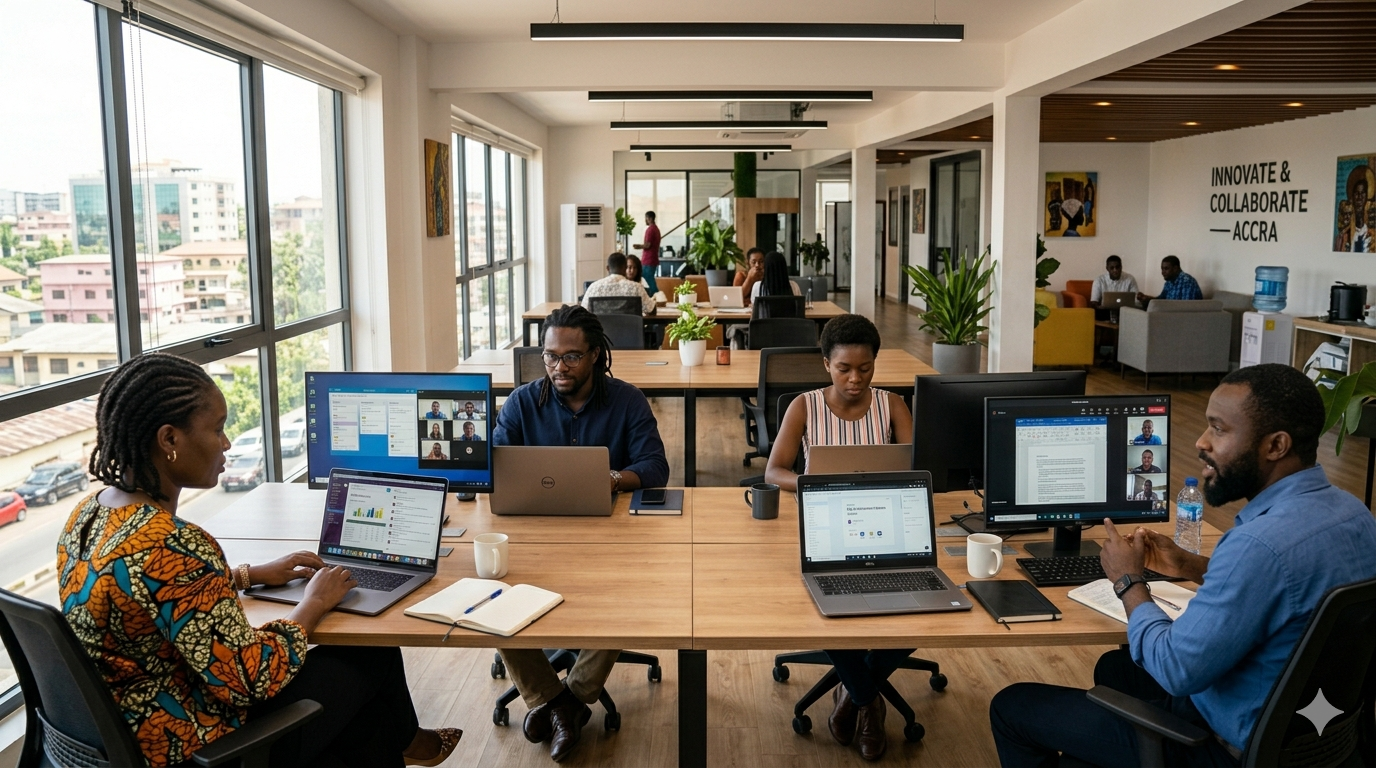
The modern workplace has changed significantly because of digital technology. Businesses, teams, educators, and organizations now rely heavily on digital collaboration tools to communicate, manage projects, and work together across different locations.
From messaging platforms and video conferencing software to cloud-based project management systems, collaboration technology has become essential for productivity and remote work.
The growth of digital collaboration tools reflects broader changes in work culture, communication habits, and global connectivity. As organizations continue adapting to flexible work environments, collaborative technology is becoming increasingly important in both professional and educational settings.
1. What Digital Collaboration Tools Are
Digital collaboration tools are platforms and applications designed to help people work together online.
These tools may support:
- Communication
- File sharing
- Team coordination
- Task management
- Video meetings
- Real-time collaboration
They allow individuals and teams to collaborate regardless of physical location.
Digital collaboration has become a central part of modern workflows.
2. Remote Work Accelerated Adoption
The rise of remote and hybrid work significantly increased demand for collaboration tools.
Organizations needed systems that could support:
- Virtual meetings
- Remote communication
- Shared workspaces
- Online productivity
- Distributed teams
As businesses adapted to flexible work models, digital collaboration platforms became essential for maintaining operations and communication.
Remote work accelerated digital workplace transformation worldwide.
3. Communication Became Faster and More Flexible
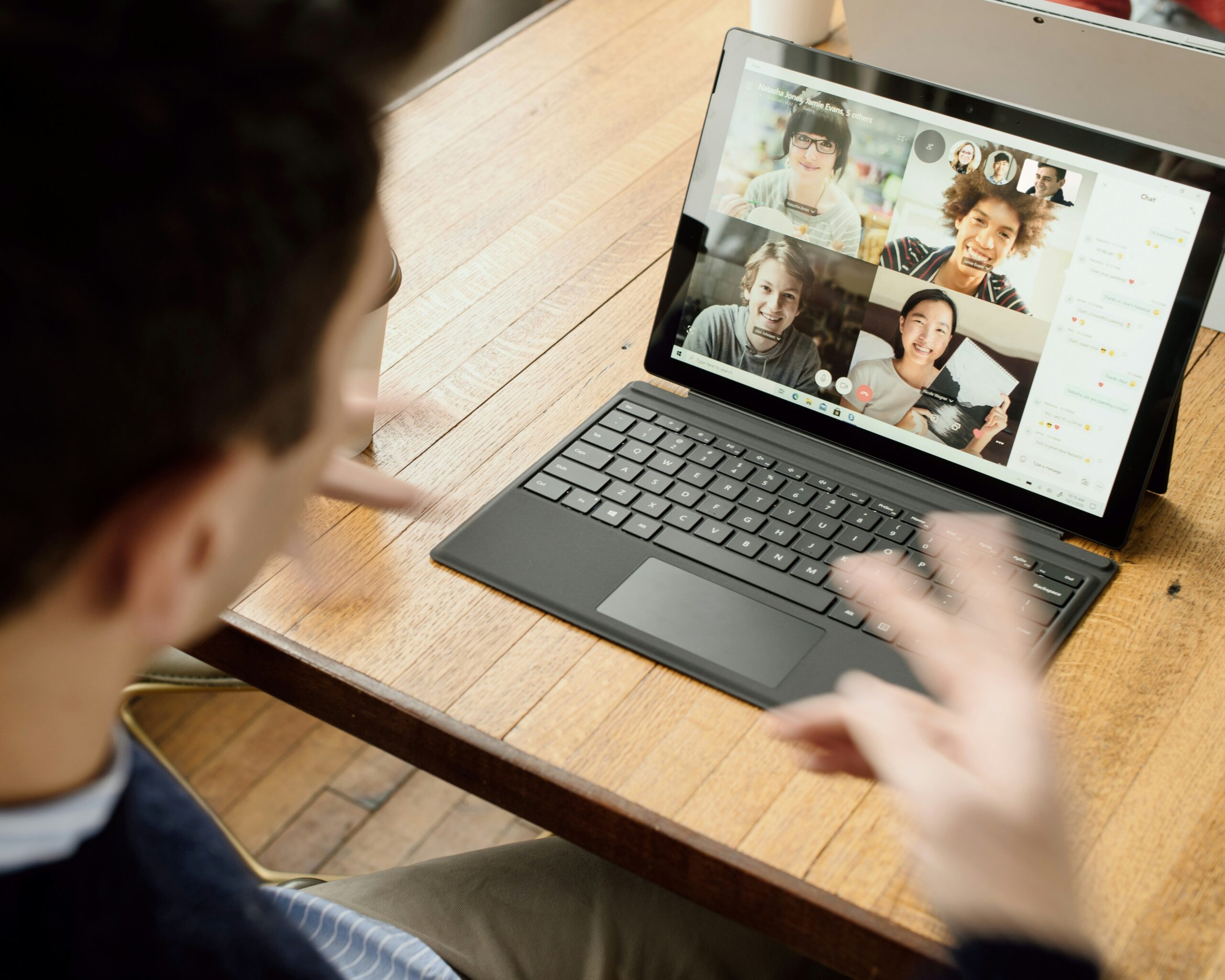
Modern collaboration platforms improve communication efficiency.
Teams can now communicate through:
- Instant messaging
- Video calls
- Voice communication
- Shared channels
- Real-time updates
Digital communication reduces delays and allows faster coordination between team members.
Flexible communication improves workplace responsiveness and collaboration speed.
4. Cloud Technology Improved Accessibility
Cloud-based systems transformed how teams access and manage information.
Cloud collaboration allows users to:
- Access files from anywhere
- Work across multiple devices
- Collaborate in real time
- Store information securely online
Cloud technology supports flexibility and improves team accessibility.
Teams are no longer limited to physical office systems or local storage.
5. Real-Time Collaboration Increased Productivity
Many digital tools allow multiple users to work simultaneously on shared projects.
Real-time collaboration helps teams:
- Edit documents together
- Track updates instantly
- Reduce communication delays
- Improve workflow coordination
This improves efficiency and minimizes confusion during collaborative tasks.
Real-time teamwork has become a standard feature of modern digital work environments.
6. Project Management Became More Organized
Digital project management tools help teams organize tasks and responsibilities more effectively.
These platforms often include:
- Task tracking
- Deadlines
- Workflow management
- Progress monitoring
- Team assignments
Organized workflows improve accountability and project visibility.
Digital systems help teams manage increasingly complex work environments.
7. Collaboration Tools Support Global Teams
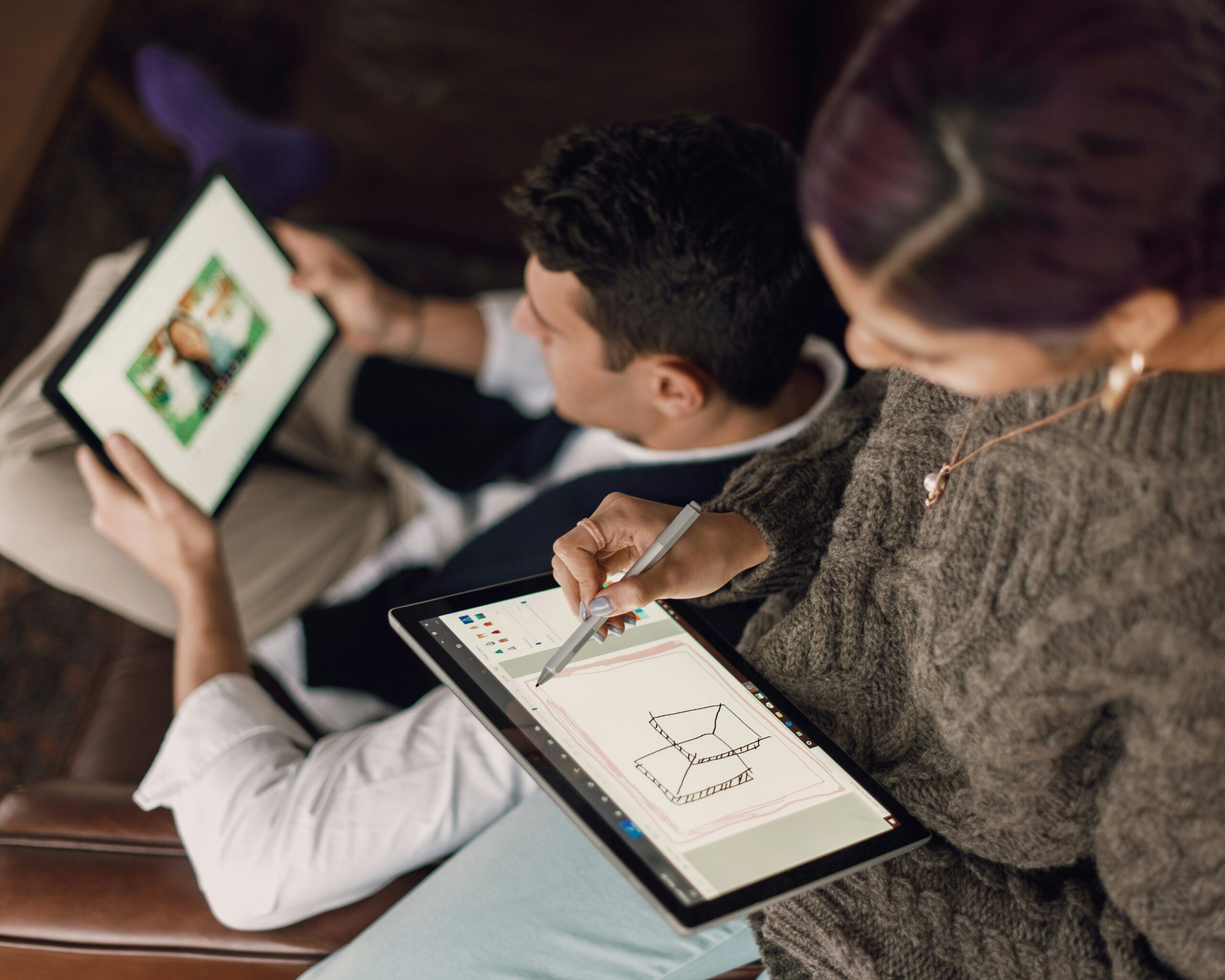
Businesses increasingly operate across multiple locations and time zones.
Collaboration platforms make it easier for global teams to:
- Communicate consistently
- Share resources
- Coordinate projects
- Maintain productivity
Digital tools reduce geographical barriers and support international teamwork.
Global collaboration has become more practical and efficient through technology.
8. Education Also Benefited From Collaboration Technology
Educational institutions increasingly use collaboration platforms for teaching and learning.
Students and educators now use digital tools for:
- Virtual classrooms
- Group projects
- Online discussions
- File sharing
- Interactive learning
Collaboration technology expanded access to education and flexible learning opportunities.
Digital learning environments continue to evolve rapidly.
9. Challenges of Digital Collaboration
Despite its advantages, digital collaboration also presents challenges.
Common issues include:
- Communication overload
- Notification fatigue
- Technical problems
- Reduced face-to-face interaction
- Security concerns
- Digital burnout
Organizations must balance productivity with healthy communication practices.
Effective collaboration depends on both technology and communication culture.
10. Security and Data Protection Became More Important
As businesses rely more on digital collaboration, cybersecurity concerns continue growing.
Organizations must protect:
- Sensitive information
- Shared documents
- Internal communication
- Customer data
Secure collaboration systems are increasingly important for maintaining trust and operational safety.
Digital security has become a major priority in modern workplaces.
11. The Future of Collaboration Technology
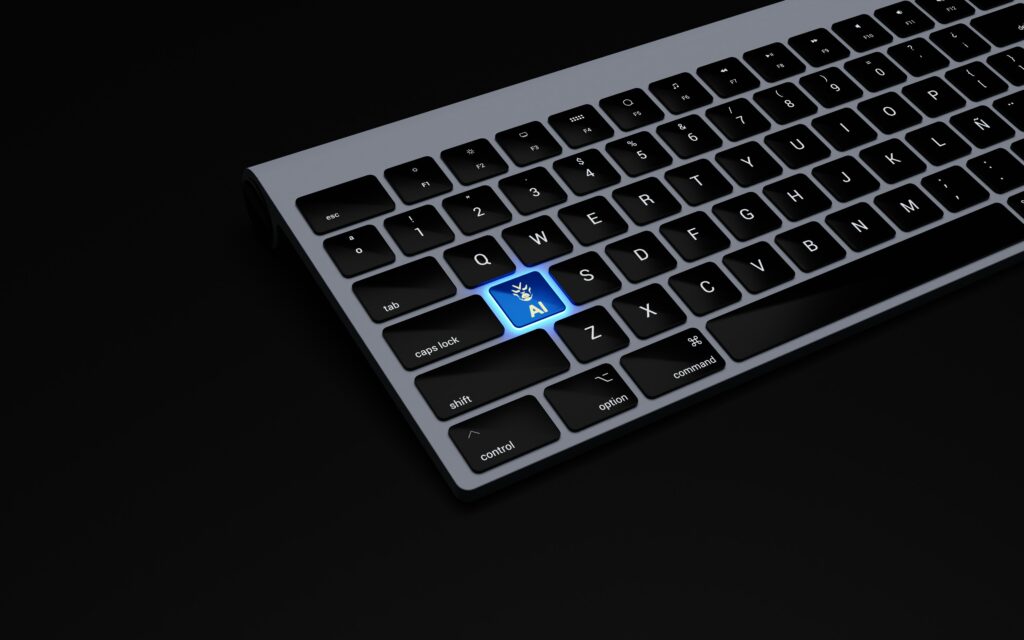
Collaboration tools continue evolving with advancements in artificial intelligence and automation.
Future trends may include:
- AI-powered productivity support
- Smarter virtual meetings
- Automated workflows
- Enhanced remote collaboration experiences
- Virtual and augmented reality workspaces
Technology will likely continue reshaping how people communicate and work together.
The future workplace will become increasingly digital and interconnected.
Conclusion
The growth of digital collaboration tools has transformed communication, productivity, and teamwork across industries. These platforms have made remote work, global collaboration, and flexible learning more accessible and efficient.
As organizations continue adapting to digital environments, collaboration technology will remain essential for modern work and communication.
While challenges such as digital fatigue and security concerns still exist, the continued evolution of collaboration tools will likely shape the future of work, education, and organizational productivity for years to come.
References
- McKinsey & Company — The Future of Remote Work and Collaboration
McKinsey & Company - Harvard Business Review — Digital Collaboration in Modern Workplaces
Harvard Business Review - Microsoft WorkLab — Trends in Hybrid Work and Collaboration
Microsoft WorkLab - Gartner — Collaboration Technology and Digital Workplace Trends
Gartner - World Economic Forum — The Future of Work and Digital Communication
World Economic Forum