
Introduction
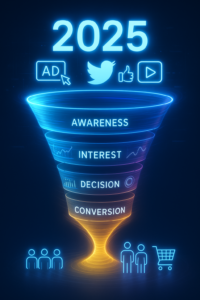
Driving traffic to your website is important, but traffic alone does not grow a business. The real goal of digital marketing is conversion — turning visitors into qualified leads.
Many businesses invest heavily in SEO, paid ads, and social media campaigns, only to struggle with low lead generation. The difference between traffic and revenue lies in strategy.
This guide explains how to convert website visitors into leads using proven digital marketing principles.
1. Understand Your Audience Intent
Not all traffic has the same purpose. Some visitors are researching. Others are ready to buy.
To convert traffic effectively, identify:
- Why visitors are coming to your site
- What problem they are trying to solve
- What stage of the buyer journey they are in
Tools such as Google Analytics help track behavior, including time spent on pages, bounce rates, and conversion paths.
When you understand intent, you can tailor offers that match user expectations.

2. Create Clear and Compelling Calls to Action (CTAs)
Every page should guide visitors toward a specific action.
Effective CTAs are:
- Clear and direct
- Benefit-focused
- Easy to find
- Visually distinct
Examples include:
- Request a Free Consultation
- Download the Guide
- Get a Quote
- Book a Demo
Confusing or hidden CTAs reduce conversion rates.
3. Optimize Landing Pages for Conversion
Landing pages should be designed with one goal in mind — capturing leads.
Key elements include:
- A strong headline
- A clear value proposition
- Social proof (testimonials or case studies)
- Minimal distractions
- A simple lead capture form
Platforms like HubSpot allow businesses to create optimized landing pages and track performance.
Reducing friction increases the likelihood of conversion.
4. Offer Valuable Lead Magnets
Many visitors are not ready to buy immediately. Offering value in exchange for contact information helps nurture them.
Effective lead magnets include:
- E-books
- Checklists
- Free webinars
- Industry reports
- Free trials
The key is relevance. The offer must directly address the visitor’s problem.
5. Use Data to Improve Conversion Rates
Conversion Rate Optimization (CRO) is an ongoing process.
Techniques include:
- A/B testing headlines and CTAs
- Testing different form lengths
- Improving page speed
- Analyzing user behavior
Tools such as Hotjar provide heatmaps and session recordings that reveal where users drop off.
Small improvements can significantly increase lead generation over time.

6. Build Trust and Credibility
Visitors are unlikely to share their contact information if they do not trust your brand.
Ways to build trust include:
- Displaying testimonials
- Showing client logos
- Including case studies
- Highlighting certifications
- Using secure website protocols
Transparency reduces hesitation and builds confidence.
7. Implement Retargeting Strategies
Not all visitors convert on their first visit.
Retargeting campaigns allow you to re-engage users who previously visited your site. Platforms such as Meta Ads Manager enable businesses to show ads to specific audiences based on website activity.
Retargeting keeps your brand top-of-mind and increases the likelihood of future conversion.
8. Simplify the Lead Capture Process
Long forms and complicated processes reduce conversions.
Best practices include:
- Asking only essential information
- Using autofill where possible
- Ensuring mobile optimization
- Providing instant confirmation
The easier the process, the higher the conversion rate.
9. Align Traffic Sources With Landing Pages
Traffic from different channels should lead to relevant landing pages.
For example:
- Paid ad traffic should land on campaign-specific pages
- Blog traffic should lead to related lead magnets
- Social media traffic should connect with targeted offers
Alignment improves relevance and conversion rates.
Conclusion
Website traffic is only the first step in digital growth. The true measure of success is how effectively that traffic converts into leads.
By understanding user intent, optimizing landing pages, offering valuable resources, and continuously testing performance, businesses can transform visitors into qualified prospects.
Conversion is not accidental. It is the result of strategy, clarity, and consistent optimization.
References
- HubSpot. (2023). Conversion Rate Optimization Guide.
https://blog.hubspot.com/marketing/conversion-rate-optimization - Nielsen Norman Group. (2020). Landing Page Design Guidelines.
https://www.nngroup.com/articles/landing-page-design/ - Google Analytics Help Center. Understanding Website Conversion Tracking.
https://support.google.com/analytics - CXL Institute. (2022). Conversion Optimization Research.
https://cxl.com/blog/