
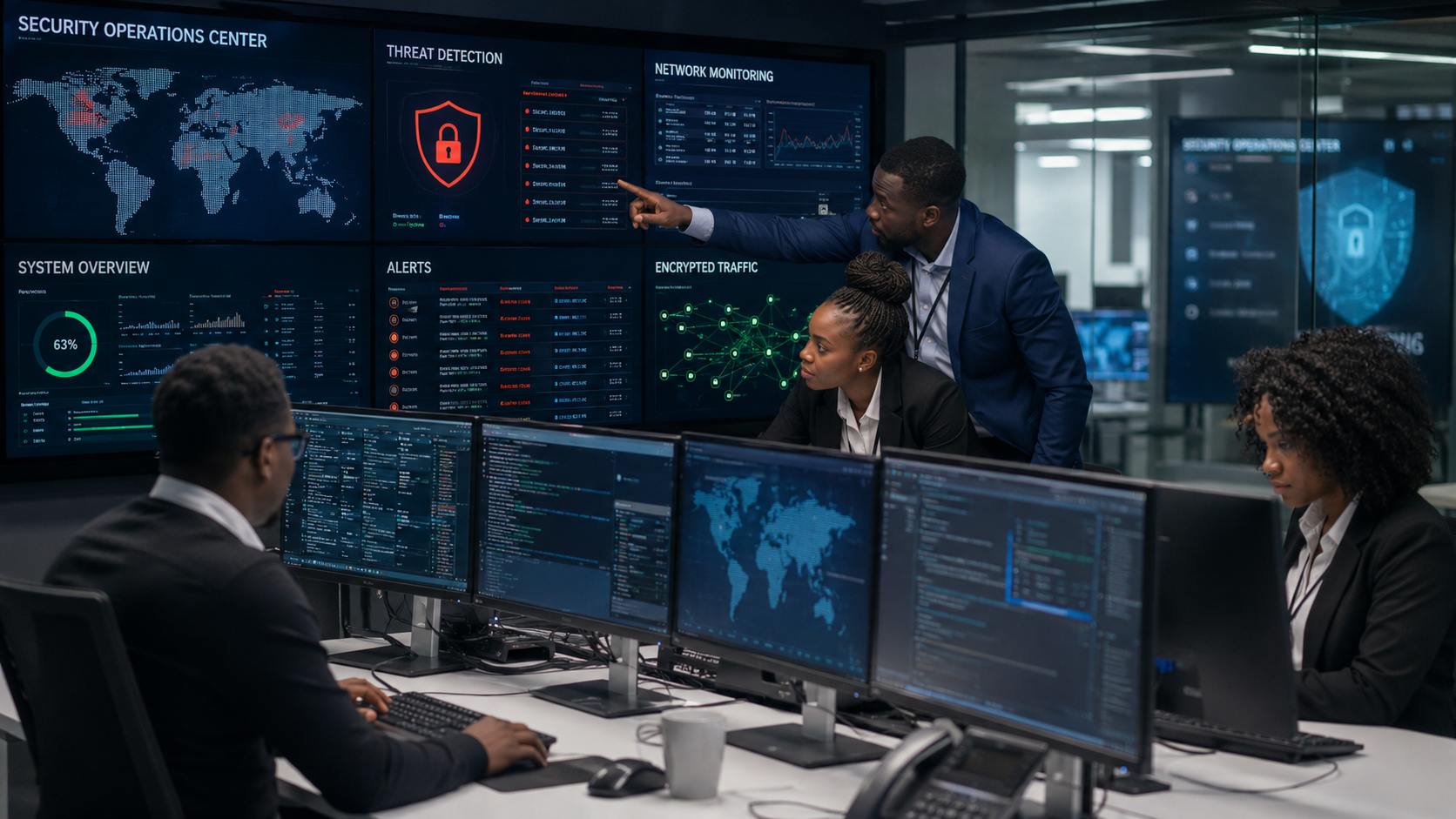
Introduction
As technology becomes increasingly integrated into everyday life, cybersecurity has become one of the most important priorities for individuals, businesses, and governments. From online banking and remote work to cloud computing and connected devices, people rely on digital systems for communication, commerce, education, and essential services.
While these technologies offer significant convenience and efficiency, they also create opportunities for cybercriminals to exploit vulnerabilities. Data breaches, phishing attacks, ransomware, identity theft, and other cyber threats continue to grow in both frequency and sophistication.
Understanding why cybersecurity matters more than ever helps individuals and organizations protect sensitive information, maintain trust, and reduce the risks associated with an increasingly connected world.
1. What Is Cybersecurity?
Cybersecurity refers to the practice of protecting digital systems, networks, devices, and data from unauthorized access, attacks, or damage.
It includes safeguarding:
- Computers and mobile devices
- Online accounts
- Business networks
- Cloud services
- Personal information
- Financial data
Effective cybersecurity combines technology, policies, and responsible user behavior to reduce digital risks.
Strong security is essential in today’s digital environment.
2. Cyber Threats Are Increasing
As more activities move online, cyber threats continue to evolve.
Common threats include:
- Phishing attacks
- Malware
- Ransomware
- Identity theft
- Data breaches
- Social engineering attacks
Cybercriminals constantly develop new techniques to target individuals and organizations.
Staying informed helps reduce vulnerability to these threats.
3. Protecting Personal Information
People share large amounts of personal information online every day.
This may include:
- Banking details
- Contact information
- Health records
- Passwords
- Identification documents
Cybersecurity practices help prevent unauthorized access to sensitive information.
Protecting personal data reduces the risk of fraud and identity theft.
4. Businesses Depend on Cybersecurity
Organizations rely on secure digital systems to manage operations and serve customers.
Strong cybersecurity helps businesses:
- Protect customer data
- Maintain operational continuity
- Prevent financial losses
- Preserve brand reputation
- Meet regulatory requirements
A single security incident can have significant financial and reputational consequences.
Security is an essential part of business resilience.
5. Remote Work Has Expanded Cyber Risks
The growth of remote and hybrid work has introduced new security challenges.
Organizations must secure:
- Home networks
- Remote devices
- Cloud applications
- Video conferencing platforms
- Remote access systems
Employees also play an important role by following security best practices.
Shared responsibility strengthens organizational security.
6. Cybersecurity Builds Customer Trust
Customers expect businesses to protect their information.
Organizations that demonstrate strong security practices are more likely to:
- Build customer confidence
- Strengthen long-term relationships
- Encourage repeat business
- Protect brand reputation
Trust is a valuable asset in the digital economy.
Responsible data protection supports customer loyalty.
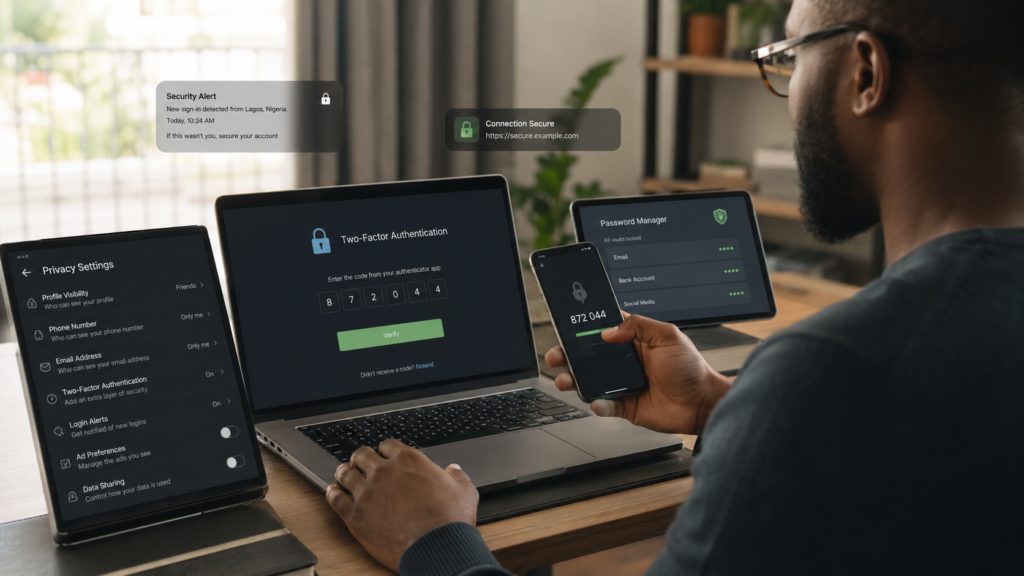
7. Artificial Intelligence Is Changing Cybersecurity
Artificial intelligence is transforming both cyber defense and cyber threats.
AI helps security teams:
- Detect unusual activity
- Identify potential threats
- Automate security monitoring
- Respond more quickly to incidents
- Analyze large volumes of security data
At the same time, cybercriminals may also use AI to create more sophisticated attacks.
Continuous innovation is essential to staying ahead of evolving threats.
8. Simple Security Habits Make a Difference
Individuals can significantly improve their online safety through everyday practices.
Important habits include:
- Using strong, unique passwords
- Enabling multi-factor authentication
- Updating software regularly
- Avoiding suspicious links and attachments
- Backing up important files
Small preventive actions can greatly reduce cybersecurity risks.
Awareness is one of the strongest defenses.
9. Cybersecurity Supports National and Global Stability
Critical infrastructure increasingly depends on secure digital systems.
Cybersecurity protects sectors such as:
- Healthcare
- Banking
- Energy
- Transportation
- Government services
- Telecommunications
Protecting these systems helps maintain essential public services and economic stability.
Cybersecurity has become a matter of national and international importance.
10. Challenges Facing Cybersecurity
Despite ongoing improvements, organizations continue to face challenges such as:
- Rapidly evolving cyber threats
- Shortages of cybersecurity professionals
- Human error
- Legacy technology
- Increasing digital complexity
Addressing these challenges requires continuous investment in technology, education, and security awareness.
Cybersecurity is an ongoing process rather than a one-time solution.

11. The Future of Cybersecurity
As digital technologies continue to evolve, cybersecurity will become even more important.
Future priorities include:
- AI-powered threat detection
- Zero Trust security models
- Stronger cloud security
- Enhanced privacy protections
- Quantum-resistant encryption
- Greater cybersecurity education
Organizations that invest in proactive security strategies will be better prepared for future challenges.
Adaptability will remain essential in an evolving threat landscape.
Conclusion
Cybersecurity has become a critical component of modern life, protecting individuals, businesses, and governments from an ever-growing range of digital threats. As reliance on technology continues to increase, safeguarding information, systems, and online services is no longer optional—it is essential.
By adopting strong security practices, staying informed about emerging threats, and investing in continuous improvement, individuals and organizations can reduce risks while building trust and resilience in the digital world.
Ultimately, cybersecurity is not just about protecting technology; it is about protecting people, businesses, and the digital future on which society increasingly depends.
References
- Cybersecurity and Infrastructure Security Agency (CISA) — Cybersecurity Resources and Best Practices
CISA - National Institute of Standards and Technology (NIST) — Cybersecurity Framework and Guidance
NIST - IBM — Cost of a Data Breach and Cybersecurity Insights
IBM - World Economic Forum — Global Cybersecurity Outlook
World Economic Forum - Microsoft Security — Cybersecurity Trends and Threat Intelligence
Microsoft Security