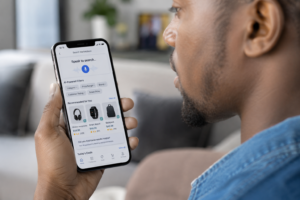
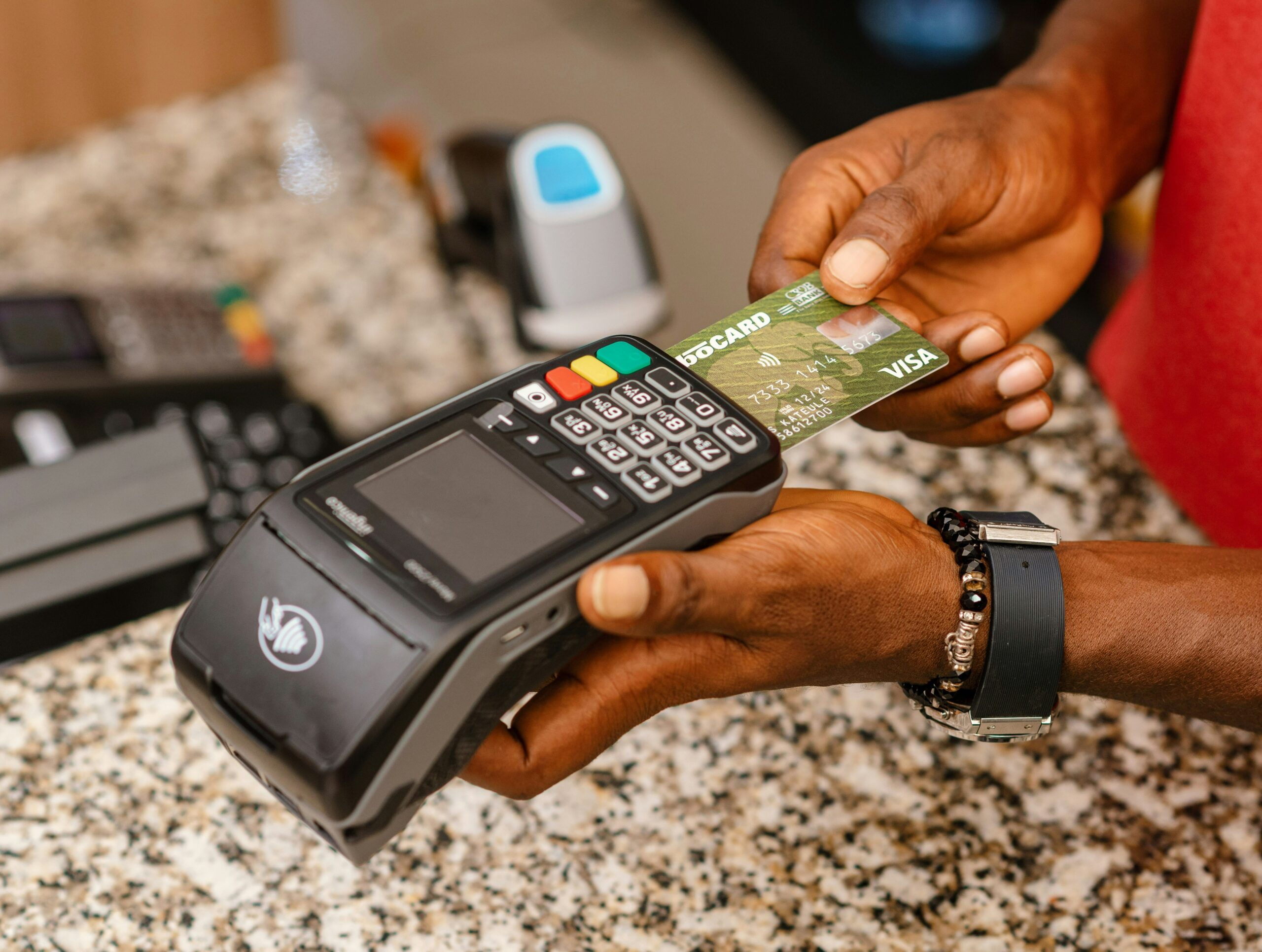
Cash is no longer king. Across cities and countries, digital wallets are becoming the preferred way to pay, send money, and manage finances. From contactless payments in stores to mobile transfers between individuals, the shift toward cashless communities is accelerating.
What was once a convenience is now a fundamental part of modern economic life.
1. What Are Digital Wallets?
Digital wallets are apps or platforms that store payment information securely and allow users to make transactions electronically.
They can hold:
- Debit and credit cards
- Bank account details
- Digital currencies
- Loyalty cards and tickets
Popular examples include mobile wallets, online payment apps, and bank-backed wallet solutions.
2. Why Digital Wallets Are Growing So Fast
Several factors are driving widespread adoption.
Key reasons include:
- Smartphone penetration
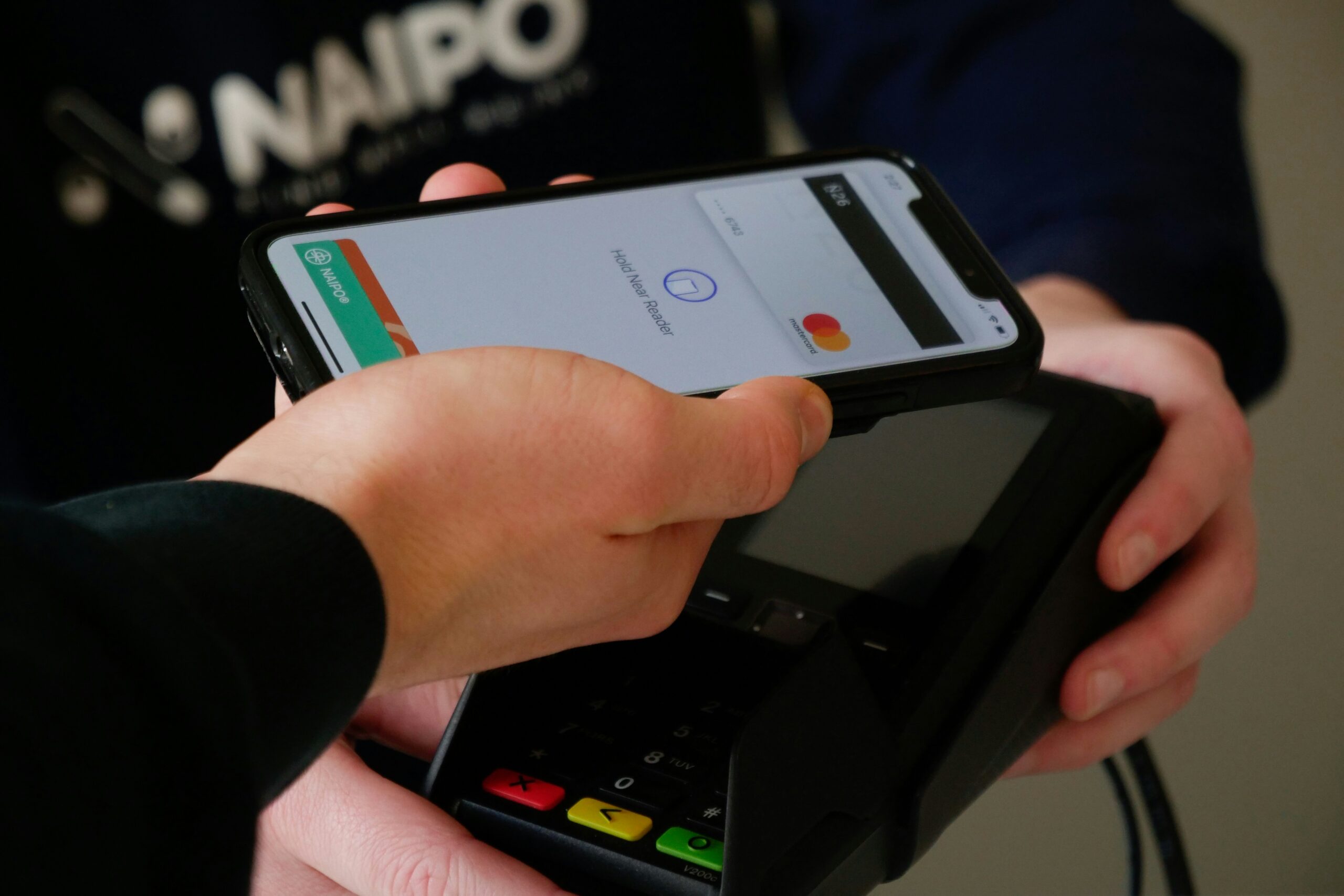
- Faster, contactless transactions
- Increased e-commerce activity
- Demand for convenience and speed
- Improved security features
For many users, wallets are replacing physical cash entirely.
3. The Role of Mobile Payments in Everyday Life
Digital wallets have moved beyond retail checkout.
They’re now used for:
- Public transportation
- Utility and bill payments
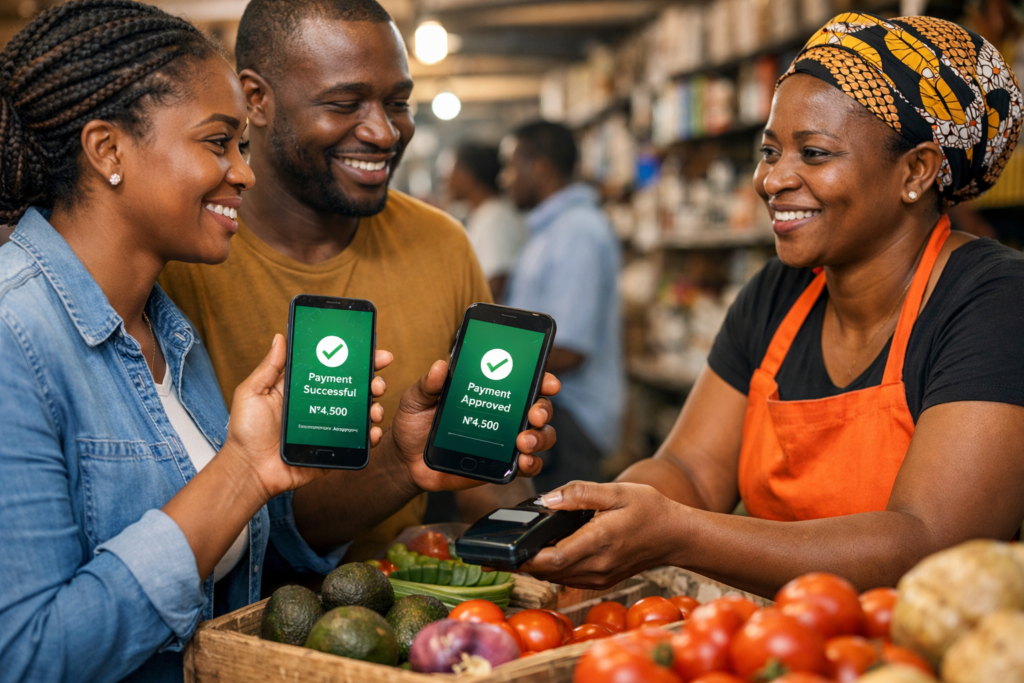
- Peer-to-peer transfers
- Online subscriptions
- Event ticketing
As acceptance expands, cash becomes less necessary.
4. Cashless Communities Around the World
Some regions are leading the transition.
Examples include:
- Urban centers with contactless-only transit
- Markets where QR-code payments dominate
- Businesses that no longer accept cash
These cashless ecosystems prioritize efficiency, transparency, and traceability.

5. Benefits of Going Cashless
For consumers and businesses alike, the advantages are clear.
Benefits include:
- Faster transactions
- Reduced theft and cash handling risks
- Easier expense tracking
- Greater financial transparency
- Lower operational costs for businesses
Digital payments streamline both commerce and record-keeping.
6. Financial Inclusion and Digital Wallets
Digital wallets can expand access to financial services.
They help:
- Bring unbanked populations into the financial system
- Enable micro-transactions and savings
- Support small businesses and freelancers
- Facilitate cross-border payments
When designed inclusively, wallets can reduce economic barriers.
7. Security, Privacy, and Trust Concerns
Despite benefits, concerns remain.
Common issues include:
- Data privacy and surveillance
- Cybersecurity risks
- Dependence on technology and connectivity
- Exclusion of non-digital users
Trust is essential for long-term adoption.
8. The Impact on Businesses and Commerce
Cashless payments are changing how businesses operate.
They enable:
- Faster checkout experiences
- Better customer insights
- Personalized offers and rewards
- Seamless online-to-offline integration
Data-driven commerce becomes easier in cashless systems.
9. Are We Ready for a Fully Cashless Society?
The transition isn’t uniform.
Challenges include:
- Digital literacy gaps
- Infrastructure limitations
- Cultural preferences for cash
- Regulatory and policy concerns
Most experts agree the future is less-cash, not no-cash—at least for now.
10. What the Future of Digital Payments Looks Like
Looking ahead, expect:
- Wallets integrated with digital IDs
- Biometric authentication
- AI-powered fraud detection
- Interoperable global payment systems
- Central bank digital currencies (CBDCs)
Digital wallets will become central hubs for everyday life.
Conclusion
The rise of digital wallets and cashless communities reflects a broader shift toward speed, convenience, and digital-first living. While challenges around inclusion, privacy, and security must be addressed, the momentum is undeniable. As technology evolves, digital wallets will continue shaping how people interact with money—and with each other.
References (External Links)
- World Economic Forum – The Future of Digital Payments
https://www.weforum.org - McKinsey – Global Payments and Cashless Trends
https://www.mckinsey.com - Bank for International Settlements – Digital Money and Payments
https://www.bis.org - Forbes – The Rise of Cashless Societies
https://www.forbes.com - Statista – Digital Wallet Usage and Growth
https://www.statista.com