

Introduction
Branding and marketing are often used interchangeably, but they are not the same thing. While both are essential for business growth, they serve different purposes and work together in different ways.
Marketing focuses on promoting products or services to attract customers and generate sales. Branding focuses on shaping how people perceive a business, including its identity, values, personality, and reputation.
Understanding the difference between branding and marketing helps businesses build stronger customer relationships, improve communication, and create long-term success.
1. What Branding Means
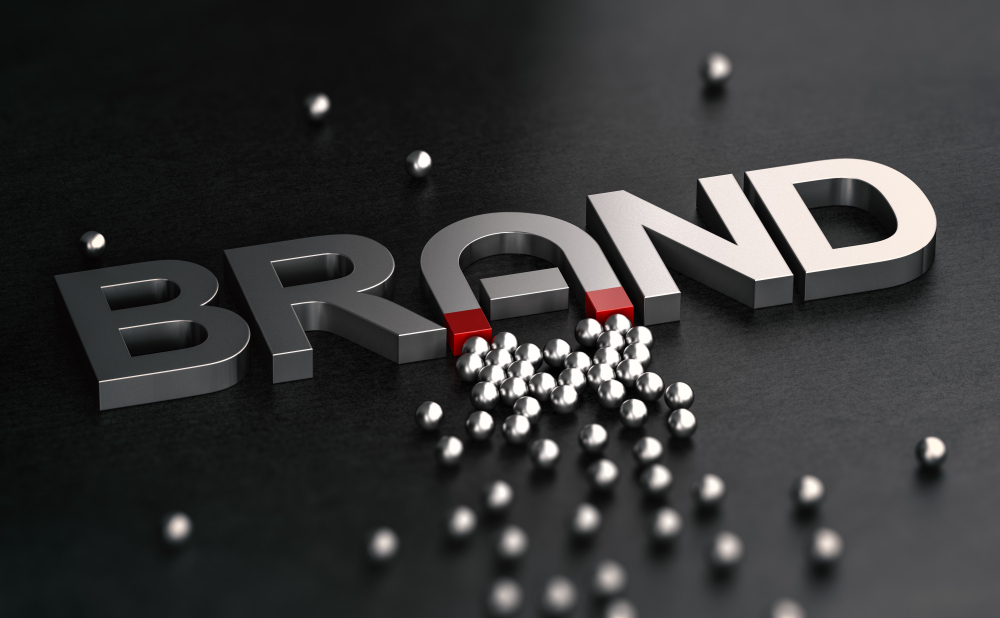
Branding is the process of creating a unique identity for a business.
It includes elements such as:
- Brand name
- Logo
- Visual identity
- Tone of voice
- Brand values
- Customer perception
- Company mission
Branding defines how a business wants to be recognized and remembered.
A strong brand creates emotional connection and trust with audiences.
2. What Marketing Means
Marketing refers to the strategies and activities used to promote products or services.
Marketing may include:
- Advertising
- Social media campaigns
- Email marketing
- Content marketing
- Search engine optimization
- Paid promotions
- Influencer partnerships
The goal of marketing is to attract attention, generate interest, and drive customer action.
Marketing helps businesses reach audiences and increase visibility.
3. Branding Focuses on Identity
Branding answers questions like:
- Who are we?
- What do we stand for?
- How do we want people to feel about us?
- What makes us different?
A company’s brand shapes its personality and public image.
Branding creates recognition and emotional meaning beyond products or services.
It influences customer perception over the long term.
4. Marketing Focuses on Promotion
Marketing focuses on communicating offers and encouraging customer engagement.
It answers questions like:
- How do we reach customers?
- How do we generate awareness?
- How do we increase sales?
- How do we attract traffic and leads?
Marketing strategies are often campaign-based and performance-driven.
The primary goal is usually measurable business growth.
5. Branding Builds Trust
Strong branding helps businesses establish credibility and loyalty.
Customers are more likely to trust brands that appear:
- Consistent
- Professional
- Authentic
- Reliable
Brand trust often influences purchasing decisions.
People may choose familiar brands even when competitors offer similar products.
Branding creates long-term customer relationships.
6. Marketing Drives Immediate Results
Marketing is often designed to produce short-term outcomes.
Examples include:
- Website traffic
- Product sales
- Lead generation
- App downloads
- Event registrations
Marketing campaigns can produce fast visibility and customer engagement when executed effectively.
However, marketing tends to work better when supported by strong branding.
7. Branding Creates Recognition
Branding helps businesses become recognizable across different platforms and channels.
Consistent branding includes:
- Visual consistency
- Clear messaging
- Unified customer experience
- Consistent communication style
Recognition improves audience familiarity and strengthens brand recall over time.
Strong brands are easier for customers to remember.
8. Marketing Changes Frequently
Marketing strategies often change depending on:
- Trends
- Consumer behavior
- Platform algorithms
- Campaign goals
- Market competition
Businesses regularly adjust marketing tactics to improve performance and adapt to changing conditions.
Branding usually remains more stable over time.
9. Branding Influences Marketing Effectiveness
Good branding improves marketing performance.
When audiences already trust and recognize a brand, marketing campaigns often become:
- More effective
- More memorable
- More persuasive
- More engaging
Strong branding can reduce customer hesitation and increase conversion rates.
Marketing gains more impact when supported by a clear brand identity.
10. Successful Businesses Need Both
Branding and marketing work best together.
Without branding:
- Marketing may attract attention but fail to build loyalty.
Without marketing:
- Strong brands may struggle to reach new audiences.
Businesses that combine effective branding with strategic marketing are often better positioned for long-term growth.
Both functions support overall business success in different ways.

11. Long-Term vs Short-Term Impact
Branding is generally focused on long-term perception and relationship building.
Marketing is often focused on short-term promotion and measurable results.
Over time:
- Branding shapes reputation
- Marketing drives engagement and sales
Sustainable growth usually depends on balancing both effectively.
Conclusion
Branding and marketing are closely connected but serve different purposes. Branding defines who a business is and how it is perceived, while marketing promotes products, services, and campaigns to attract customers.
Branding builds trust, recognition, and emotional connection. Marketing drives visibility, engagement, and business growth.
Businesses that understand the relationship between branding and marketing are better equipped to build stronger customer relationships and achieve long-term success.
References
- HubSpot — Branding vs Marketing Explained
HubSpot Blog - Forbes — The Importance of Branding in Business Growth
Forbes - Harvard Business Review — Building Strong Brand Identity
Harvard Business Review - Content Marketing Institute — Marketing Strategy and Brand Communication
Content Marketing Institute - Think with Google — Consumer Perception and Brand Influence
Think with Google