Introduction
Traditional social media platforms once dominated digital attention. People spent hours scrolling through feeds, sharing updates, interacting with friends, and consuming endless streams of content.
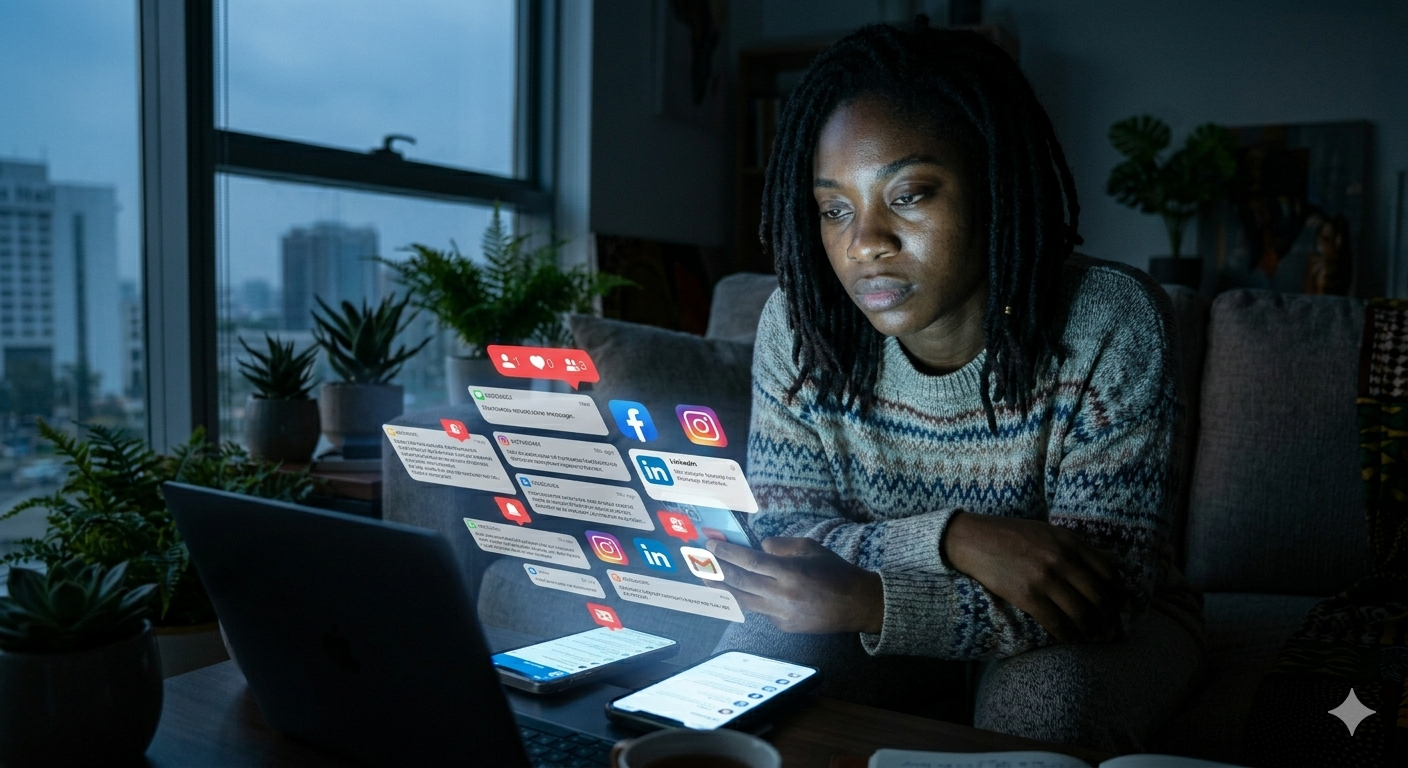
However, user behavior is gradually changing. Many people are now spending less time on traditional social media platforms or using them differently than before. Concerns about digital fatigue, content overload, privacy, mental health, and changing entertainment preferences are influencing how users engage online.
At the same time, newer forms of digital interaction—including short-form video, private communities, creator-driven platforms, and messaging apps—are reshaping online behavior.
The shift reflects broader changes in how people consume content, communicate, and manage digital experiences.
1. Social Media Fatigue Is Increasing
Many users feel overwhelmed by constant digital engagement.
Traditional social media often involves:
- Endless scrolling
- Continuous notifications
- Information overload
- Repetitive content
- Constant online interaction
Over time, excessive social media usage can create mental exhaustion and reduced interest in spending long periods on these platforms.
Digital fatigue is becoming more common among users of all age groups.
2. Short-Form Content Changed User Behavior
Short-form video platforms have significantly changed content consumption habits.
Many users now prefer:
- Faster entertainment
- Quick educational content
- Short videos
- Instant engagement
This shift has reduced attention toward traditional text-heavy or static-feed social media experiences.
Users increasingly consume content in shorter, faster formats.

3. People Are Moving Toward Private Digital Spaces
Public social media posting is becoming less appealing for some users.
Many people now prefer:
- Private messaging
- Smaller communities
- Group chats
- Exclusive online spaces
- Close-friend interactions
Digital communication is becoming more personal and community-focused rather than fully public.
Private interaction often feels more authentic and less performative.
4. Content Overload Reduces Engagement
Social media platforms now contain massive amounts of content competing for attention.
Users are exposed to:
- Advertisements
- Influencer promotions
- Viral trends
- News updates
- Sponsored posts
- Algorithm-driven recommendations
The overwhelming volume of content can reduce meaningful engagement and make platforms feel crowded.
Too much content often decreases content quality perception.
5. Mental Health Concerns Are Influencing Usage
Concerns about mental health continue to shape social media habits.
Studies and public discussions frequently highlight issues such as:
- Anxiety
- Comparison culture
- Digital addiction
- Online pressure
- Reduced focus
- Negative self-image
Many users are intentionally reducing screen time to improve mental well-being and maintain healthier digital habits.
Awareness of digital wellness continues to grow globally.
6. Algorithms Changed the User Experience
Traditional social media originally focused heavily on connecting with friends and family.
Today, algorithms often prioritize:
- Viral content
- Sponsored material
- Engagement-driven posts
- Recommended content from strangers
Some users feel that platforms have become less personal and more entertainment-focused.
Algorithmic feeds have changed how people experience social media.
7. Trust in Online Content Is Declining
Misinformation, fake news, and misleading content have affected user trust.
Many users now question:
- Content accuracy
- Influencer authenticity
- Media reliability
- Platform transparency
As trust declines, some people become less interested in spending significant time on traditional social media feeds.
Credibility has become an increasingly important issue online.
8. Creator Economy Platforms Are Expanding
Many audiences now follow creators directly through specialized platforms.
This includes:
- Newsletters
- Membership communities
- Podcasts
- Streaming platforms
- Educational communities
People increasingly prefer deeper, value-driven content experiences rather than endless social media scrolling.
Creator-led ecosystems are changing audience behavior online.

9. Productivity and Focus Are Becoming Priorities
Many people are becoming more intentional about how they spend time online.
Users are increasingly focused on:
- Reducing distractions
- Improving concentration
- Managing screen time
- Protecting productivity
Traditional social media platforms are often viewed as major sources of distraction.
Digital minimalism and intentional technology use continue gaining popularity.
10. Entertainment Options Have Expanded
Social media now competes with many other forms of digital entertainment.
Users divide their attention across:
- Streaming services
- Podcasts
- Gaming platforms
- Online learning
- Creator platforms
- Messaging apps
As entertainment choices expand, time spent on traditional social media naturally becomes more fragmented.
Audience attention is now distributed across multiple digital ecosystems.
11. The Future of Social Media Is Evolving
Social media is not disappearing, but it is evolving.
Future platforms may focus more on:
- Community-building
- Authentic interaction
- Personalized experiences
- Creator-driven ecosystems
- Private communication
- Artificial intelligence integration
User expectations are shifting toward more meaningful and less overwhelming digital experiences.
The future of online interaction will likely look very different from the early era of traditional social networking.
Conclusion
People are spending less time on traditional social media for several reasons, including digital fatigue, content overload, changing entertainment habits, mental health concerns, and shifting preferences toward private and creator-driven experiences.
As digital behavior evolves, users are becoming more selective about how they engage online and where they invest their attention.
The changing social media landscape reflects a broader movement toward intentional digital experiences, meaningful interaction, and healthier relationships with technology.
References
- Pew Research Center — Social Media Usage and Digital Behavior Trends
Pew Research Center - Harvard Business Review — The Psychology of Social Media Engagement
Harvard Business Review - MIT Technology Review — The Evolution of Digital Platforms and User Attention
MIT Technology Review - Sprout Social — Changing Social Media Consumer Habits
Sprout Social - World Economic Forum — The Future of Digital Communication and Online Communities
World Economic Forum