

Introduction
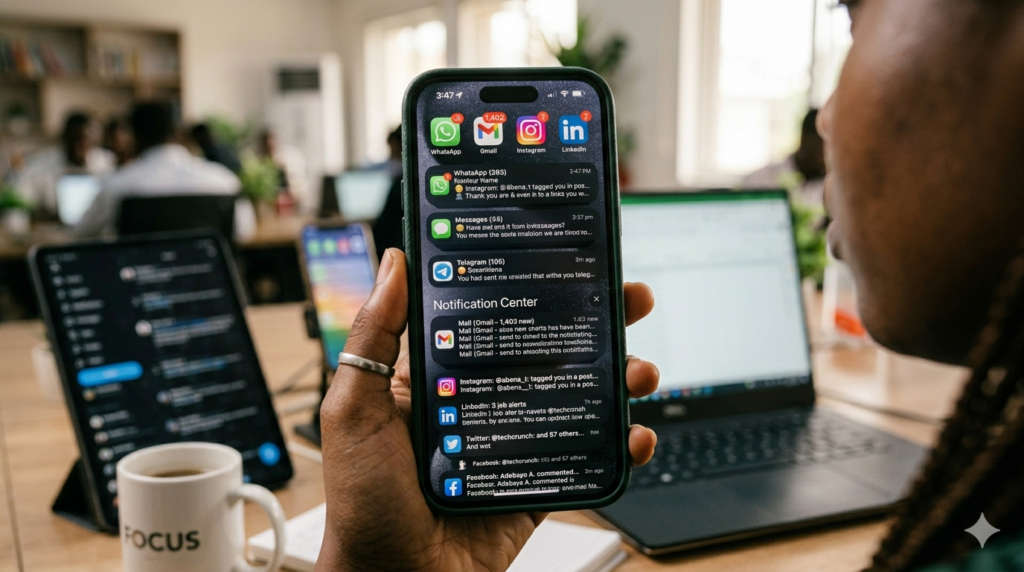
Modern technology has made information constantly accessible. Notifications, social media updates, emails, advertisements, videos, and endless streams of content now compete for attention every day.
While digital connectivity offers convenience and speed, it has also created what many describe as “digital noise.” Digital noise refers to the constant flow of information and distractions that make it harder for people to focus, think deeply, and process information clearly.
As people spend more time online, concerns about attention, mental clarity, productivity, and decision-making continue to grow. In a world filled with constant digital stimulation, clear thinking is becoming increasingly difficult—and increasingly valuable.
1. What Digital Noise Means
Digital noise includes the overwhelming amount of information and interruptions people experience through digital devices and platforms.
Examples include:
- Constant notifications
- Social media scrolling
- Excessive news consumption
- Advertisements
- Multiple open tabs and apps
- Continuous messaging
- Information overload
Digital noise keeps attention fragmented and reduces opportunities for focused thinking.
The modern digital environment is designed to compete for user attention.
2. Attention Is Constantly Interrupted
One major effect of digital noise is reduced attention span.
Frequent interruptions make it difficult to:
- Maintain focus
- Complete deep work
- Process information carefully
- Stay mentally organized
Switching repeatedly between apps, messages, and content can weaken concentration over time.
Constant distraction often reduces productivity and cognitive efficiency.
3. Information Overload Creates Mental Fatigue
People now consume more information daily than ever before.
This includes:
- News updates
- Social media content
- Work communication
- Entertainment media
- Online discussions
Too much information can overwhelm the brain’s ability to process and prioritize effectively.
Mental fatigue often makes decision-making slower and less effective.
Information abundance does not always improve understanding.
4. Social Media Encourages Reactive Thinking
Many digital platforms prioritize speed, engagement, and emotional reactions.
This can encourage:
- Instant responses
- Quick judgments
- Short attention cycles
- Emotional decision-making
Fast-paced digital environments often leave little room for reflection or critical analysis.
Clear thinking usually requires time, focus, and thoughtful processing.
5. Multitasking Reduces Cognitive Performance
Digital habits often encourage multitasking.
People may simultaneously:
- Watch videos
- Respond to messages
- Browse social media
- Work on assignments
- Check notifications
Research consistently shows that excessive multitasking reduces efficiency and increases mental strain.
Divided attention makes deep thinking more difficult.
6. Constant Connectivity Reduces Mental Rest
Digital devices keep many people connected throughout the day.
Continuous connectivity can reduce opportunities for:
- Quiet reflection
- Mental recovery
- Uninterrupted concentration
- Rest from stimulation
The brain benefits from periods of stillness and reduced input.
Without mental rest, cognitive exhaustion can increase over time.
7. Digital Noise Affects Decision-Making
Clear decisions require organized thinking and careful evaluation.
Digital overload can contribute to:
- Impulsive choices
- Reduced focus
- Difficulty prioritizing
- Increased stress
When attention is fragmented, people may rely more on emotional reactions than thoughtful reasoning.
Mental clarity often improves when distractions are reduced.
8. Deep Thinking Requires Focus
Deep thinking involves sustained concentration and reflection.
Activities that support clear thinking include:
- Reading without interruption
- Long-form writing
- Problem-solving
- Strategic planning
- Reflective learning
These activities become more difficult in environments dominated by constant digital interruptions.
Focused attention is essential for deeper understanding and creativity.
9. The Importance of Digital Boundaries
Many people now create digital boundaries to reduce mental overload.
Examples include:
- Turning off notifications
- Limiting screen time
- Scheduling offline periods
- Avoiding excessive multitasking
- Creating focused work environments
Intentional digital habits can improve concentration and mental clarity.
Managing digital consumption helps protect attention.

10. Quality Information Matters More Than Quantity
The internet provides endless information, but not all information is equally valuable.
Clear thinking improves when people focus on:
- Reliable sources
- Meaningful content
- Thoughtful analysis
- Balanced perspectives
Consuming less but higher-quality information often improves understanding and decision-making.
Selective attention is increasingly important in the digital age.
11. The Future of Attention in a Digital World
As technology continues evolving, competition for human attention will likely increase.
Artificial intelligence, personalized algorithms, and immersive digital experiences may intensify information consumption further.
This makes attention management an increasingly valuable skill.
Future success may depend not only on access to information, but also on the ability to think clearly despite constant digital noise.
Conclusion
Digital technology has transformed communication, productivity, and access to information. However, the constant flow of digital noise also creates challenges for attention, mental clarity, and focused thinking.
Clear thinking requires concentration, reflection, and mental space—qualities that are often disrupted by continuous digital stimulation.
In an increasingly connected world, learning how to manage digital distractions may become one of the most important skills for maintaining focus, productivity, and thoughtful decision-making.
References
- Harvard Business Review — The Impact of Digital Distraction on Productivity
Harvard Business Review - Pew Research Center — Technology, Information Overload, and Attention
Pew Research Center - MIT Technology Review — How Digital Media Affects Human Attention
MIT Technology Review - McKinsey & Company — Digital Habits and Workplace Productivity
McKinsey & Company - World Economic Forum — The Future of Attention in the Digital Economy
World Economic Forum